

Key takeaways
- Warning signs to watch for include gossip, passive aggressive behavior, lack of accountability, and resistance to change.
- Key impacts range from a deteriorating team climate and lower retention to higher costs linked to mistakes and employee turnover.
- Managers must act quickly by observing behaviors, documenting issues, addressing them clearly, and following up to prevent a toxic work environment from settling in.
- A seven step action plan that includes a code of conduct, training, open communication, recognition, and structured follow ups helps build a healthy and sustainable team culture.
Toxic behaviors at work are not always obvious. Yet they quietly erode employee effectiveness, drive top performers away, and directly impact business results. Left unaddressed, these behaviors can quickly take root and turn any organization into a toxic workplace.
Definition of Toxic Behavior at Work
Toxic behavior at work refers to repeated actions or attitudes that undermine collaboration, trust, and team performance.
It should be distinguished from psychological harassment, which involves vexatious, repeated behaviors that violate a person’s dignity and create a harmful work environment.
Toxic behaviors at work can sometimes be minimized or normalized. Over time, however, they erode team cohesion, reduce service quality, and negatively affect an organization’s overall performance.
Long before a situation escalates into psychological harassment, a toxic work environment can already take hold. When employees operate in this kind of climate, the losses are very real: wasted time and energy, loss of talent, and ultimately, lost revenue.
Several toxic behaviors are widely reported in workplaces:
- 44% of workers identified gossip as a frequent issue.
- 36% reported unprofessional communication.
- 25% experienced situations where a colleague took credit for their work.
- 20% reported cases of intimidation.
Source: Talent Canada
In this article, you will learn how to identify toxic behaviors at work, understand their real impact on your organization, and most importantly, how to address them proactively and constructively before a toxic workplace takes hold.

What Is Toxic Behavior at Work?
- Toxic behavior at work refers to repeated or ongoing actions, not isolated incidents.
- It can come from employees, managers, or even customers.
- It is assessed based on both its frequency and its impact on the team.
Examples of Toxic Behavior at Work
Toxic behavior does not always show up through open conflict or outbursts. More often, it is subtle. It settles in gradually, repeats itself, and eventually becomes normalized.
Below are several common types of toxic behavior, along with real-life examples drawn from different workplace settings.
Toxic Behaviors From Employees
Gossip and Rumors
Gossip weakens workplace relationships, divides teams, and undermines trust.
- A grocery store cashier spreads unfounded rumors about a coworker on sick leave.
- A line cook criticizes the assistant chef’s management style in the break room.
- Care aides in a senior living facility discuss a coworker’s mistakes instead of addressing them directly with them.
Lack of Collaboration
Refusing to help others or doing the bare minimum shifts the workload onto teammates and slows operations.
- A hardware store associate deliberately ignores overhead calls when they are not in their assigned department.
- A fast food employee leaves closing cleanup to others at the end of their shift.
- A kitchen assistant fails to pass along instructions given by the manager to the evening team.
Passive Aggressive Behavior
Indirect remarks, exaggerated sighs, or prolonged silence can destabilize coworkers, especially in high pressure environments.
- A server rolls their eyes every time a coworker makes a mistake.
- A retail employee says out loud, “I’m not paid to think,” after receiving a directive.
- A personal care attendant deliberately avoids coworkers they disagree with, making collaboration impossible.
Refusing to Follow Instructions
Questioning directives, working around them without reason, or ignoring them altogether are all toxic behaviors that hurt collective efficiency.
- A convenience store cashier skips closing procedures because they consider them pointless.
- A barista prepares drinks their own way despite established standards, leading to customer complaints.
- A healthcare aide consistently arrives late because they refuse to use the employee scheduling tool in place.
Avoiding Accountability
Rather than owning up to mistakes, some employees always look for someone else to blame.
- An employee blames the previous shift for an incorrect order, even though it was their responsibility.
- A hotel receptionist claims the system is glitching every time their cash register does not balance.
- A restaurant delivery driver regularly skips shifts without justification, assuming others will cover the deliveries.
Resistance to Change
Pushing back against or dismissing new initiatives demotivates teams and damages management’s credibility.
- A cook mocks the new seasonal menu.
- A retail assistant manager downplays the importance of using a tool to centralize time off and availability management.
- A grocery clerk encourages others to ignore procedural changes, saying “it will probably blow over like the last ones.”
Taking Credit for a Colleague’s Work
Claiming credit for someone else’s contribution or silencing their input creates frustration and resentment.
- A technician suggests a new way to organize inventory in a pharmacy, but the team lead takes credit for the idea during the weekly meeting with the owner.
- In a grocery store, a floor employee spends two hours redoing shelf facing. A coworker shows up at the last minute and receives praise from the supervisor without correcting the situation.
Bullying
One of the most damaging toxic behaviors, bullying can take the form of demeaning comments, exclusion, or repeated hostile actions. It can easily escalate into harassment.
- A shift supervisor regularly belittles the same employees in front of others.
- An employee repeatedly interrupts younger or less experienced coworkers while they are serving customers.
- A team deliberately isolates a new hire by excluding them from conversations and breaks.
Toxic Management Behaviors: What to Look For
As a manager, you set the tone. Your attitude influences not only the work climate, but also productivity, retention, and the quality of service your business delivers.
When a manager adopts toxic behaviors, their actions can quickly create a domino effect across the entire team and lead to a noticeable drop in performance.
Below are three particularly harmful behaviors to watch for. Do any of these sound familiar, even unintentionally?
Favoritism
Giving preferential treatment to certain employees, whether consciously or not, when it comes to shifts, tasks, or opportunities creates a strong sense of unfairness.
- A restaurant manager consistently gives the best and most lucrative shifts to the same two servers, regardless of availability or seniority within the rest of the team.
- A director of a senior living residence systematically approves time off requests for their favorite employee, while others are forced to swap shifts to get time off.
- In a sporting goods store, a manager overlooks repeated tardiness from a star salesperson, while immediately reprimanding others for the same behavior.
Favoritism has real consequences for your teams. Learn why it’s a real trap and how to avoid it in our article Favoritism at Work: The Hidden Trap That Undermines Your Team.


Passive Aggressive or Condescending Communication
Sarcastic remarks, unfounded criticism, or paternalistic comments destabilize employees and erode trust.
- A manager tells a cashier, “It’s not that hard, I’ve already explained this three times,” after a pricing mistake, in front of customers.
- A floor supervisor in a big box store sends vague messages like, “It would be nice if some people actually did their job properly,” instead of clearly outlining what needs improvement.
- A hotel front desk manager repeatedly suggests that “new hires are never any good anyway” whenever a new receptionist makes a mistake during busy periods.
Imposing an Unreasonable Workload
Overloading employees without considering their actual capacity or working conditions leads to stress, exhaustion, and absenteeism. Excessive workload is a recognized psychosocial risk that must be identified and addressed in prevention plans.
- A pharmacy owner schedules only two employees on a public holiday known for high customer volume, saying they will figure it out.
- In a restaurant, a head chef requires the team to deep clean refrigerators and restock after an already overwhelming Friday night shift.
- A supervisor changes the schedule at the last minute to add an evening shift for a care aide without asking for input, even though the employee has already worked six days in a row.
How Employers Should Respond
- Assess psychosocial risks and their impact on the team.
- Act without delay through meetings, clear expectations, and a corrective action plan.
- Document facts, interventions, and follow ups.
- Adjust schedules and workloads as needed to reduce risks.
- Train and support managers and team members.
- Apply disciplinary policies consistently.
- Refer employees to occupational health and safety resources when necessary.
Which Toxic Behaviors Should Never Be Tolerated from Customers?
Toxic workplace behaviors do not come only from within the organization. Customers can also behave in unacceptable ways. The days when “the customer is always right” are over.
When left unaddressed, these behaviors can seriously harm the work climate, employee morale, the overall atmosphere of the establishment, and the quality of service provided.
Even though they are sometimes seen as part of customer service, disrespectful language, abusive demands, and inappropriate behavior from customers should never be tolerated. As a manager, it is your responsibility to protect your team.
Intimidation or Disrespect Toward Staff
Raising one’s voice, mocking an employee, or making threats are unnecessary and demeaning behaviors that should not be tolerated.
- A customer in a pharmacy becomes impatient, raises her voice, and accuses a lab technician of “not understanding anything.”
- A customer in a café belittles a new employee for being slow at the register.
- A family member of a resident in a senior living facility threatens a care aide during meal service over an issue outside the employee’s control.
Inappropriate or Discriminatory Remarks
Sexist, racist, ageist, or degrading comments have no place in any type of business.
- A customer makes inappropriate comments about a server’s physical appearance.
- A customer asks to be served by “someone who speaks properly” when addressing an employee who isn’t an English-native speaker.
- A customer in a grocery store makes demeaning remarks about an employee’s age or weight.
Refusal to Follow Establishment Rules
Ignoring rules related to safety, hygiene, or internal procedures not only puts other customers at risk but also places staff in difficult situations.
- A customer refuses to follow health guidelines in a senior living facility, such as washing hands upon entry or wearing a mask during a flu outbreak.
- A customer enters a restaurant kitchen or a restricted service area.
- A customer arrives at a hotel and demands immediate service, cutting in line and ignoring guests who are already waiting.
Abusive or excessive demands
Some customers abuse company policies or place excessive pressure on employees, causing stress, overload, and losses for the business.
- A customer returns to a pharmacy every week demanding refunds for products that have already been used or damaged.
- A customer demands that a hotel housekeeping clerk iron their clothes, even though the service is not offered, and becomes angry when they refuse.

Signs of a Toxic Work Environment vs. a Normal Conflict
Signs of a Toxic Work Environment
- Repeated incivility, such as sighs, sarcasm, or microaggressions.
- Isolation of a coworker, cliques, and ongoing rumors.
- High emotional strain, including tension and fear of speaking up.
- Declining engagement and increased employee turnover.
A Normal Conflict
- Focused on ideas or task completion and limited in scope.
- Open dialogue with a shared goal of finding solutions.
- Respect for individuals, with no attacks on dignity.
What Are the Consequences of Toxic Behavior at Work?
Allowing toxic behavior to take root or worse, to continue sends a clear message: this behavior is acceptable. Whether intentional or not, that message comes at a cost.
For Employees: A Downward Spiral of Disengagement
Increased Stress and Anxiety
Working in a tense or unfair environment is mentally exhausting. Even the most resilient employees eventually feel pressure, nervousness, or a loss of focus. The result? More mistakes, growing tension, and declining performance.
Loss of Motivation and Disengagement
Why keep making an effort if it goes unrecognized? When employees see toxic behaviors being tolerated or even rewarded, their motivation quickly fades. A domino effect follows: one employee disengages, then two, then three.
A Strong Sense of Unfairness
Favoritism, special treatment, or unpunished disrespectful behavior create a deep sense of inequity. Even loyal employees eventually begin to question their place and their value within the team.
Absenteeism and Employee Turnover
When pressure becomes too intense, absences increase: sick days, unplanned time off, late arrivals. Over time, employees simply start looking elsewhere. Not because they do not want to work, but because they no longer want to work in a toxic workplace.


For Your Business: Very Real Losses
A Deteriorating Work Climate
When toxic behavior is tolerated, it becomes an unspoken norm. This kind of climate undermines collaboration, communication, and innovation. Even new hires can sense it from day one.
High Employee Turnover
Recruiting and training new employees is costly. Very costly. Tolerating toxic behaviors is almost a guarantee of high turnover, along with significant losses of time and money.
Lower Productivity
A disengaged, tense, or overworked team is a less effective team. Tasks take longer, mistakes increase, and overall work quality declines.
Damage to Reputation
Customers feel the tension too. A struggling team shows in the atmosphere, the service, and employee attitudes. And in an age where everything is shared online, a few negative interactions can lead to bad reviews, which can be enough to harm your reputation and your revenue.
How to Respond to Toxic Behavior at Work
- Stay calm and describe the facts without judgment.
- Reinforce the code of conduct and expectations.
- Document the incident, including the involved staff, date, location, and impact.
- Address the issue promptly in private and offer an alternative.
- Follow up through one-on-one meetings and acknowledge progress.
- Escalate according to policy, including disciplinary measures if the behavior continues.
7 Actions to Manage Toxic Behaviors
Eliminating toxic behaviors does not happen overnight. It takes structure, consistency, and courage. The good news is that simple but targeted actions can gradually transform your team culture and improve your company’s performance.
Here are seven concrete actions to help you regain control and strengthen the health of your work environment.
1. Establish a Clear Code of Conduct
From the moment a new employee joins your team, expectations should be clearly set in writing. A well defined code of conduct serves as a shared reference point and helps reduce grey areas.
Why it’s worth it: It helps prevent misunderstandings and gives managers clear support when it is time to step in.
To do:
- Introduce the code of conduct during new employee onboarding.
- Provide real examples of expected behaviors and those to avoid.
- Post it in common areas or share it through your internal communication tool.
2. Train Managers to Recognize Subtle Warning Signs
Toxic behaviors are not always loud or obvious. Repeated sighs, sarcasm, or the isolation of a coworker are all early warning signs that only attentive managers are likely to notice.
Why it’s worth it: An issue identified early is far easier and less costly to address than a habit that has already taken root.
To do:
- Offer training on interpersonal management skills, such as nonverbal communication and active listening.
- Equip managers to distinguish healthy conflict from harmful behavior.
3. Encourage Respectful and Direct Communication
Encouraging employees to speak openly and respectfully helps reduce tension and strengthens trust within the team.
Why it’s worth it: A team that communicates honestly spends less time dealing with unspoken frustrations or misunderstandings. Everything can be said, as long as it is said with respect.
To do:
- Lead by example by practicing open communication as a manager.
- Address inappropriate tone or language calmly as soon as it appears.
- Encourage constructive feedback within the team.
4. Hold Regular One-On-One Meetings to Spot Tension Early
These meetings are not just about fixing problems. They help you take the pulse of your team, build trust, and defuse tension before it escalates.
Why it is worth it: Employees who feel heard are more engaged, more loyal, and more productive.
To do:
- Set a simple cadence, such as one or two meetings per month or per quarter between each employee and their manager, depending on needs.
- Ask open ended questions like “How are things going with the team?” or “Are there any ongoing frustrations we could address?” (see our best practices for one-on-one meetings).
- Practice active listening during these conversations.
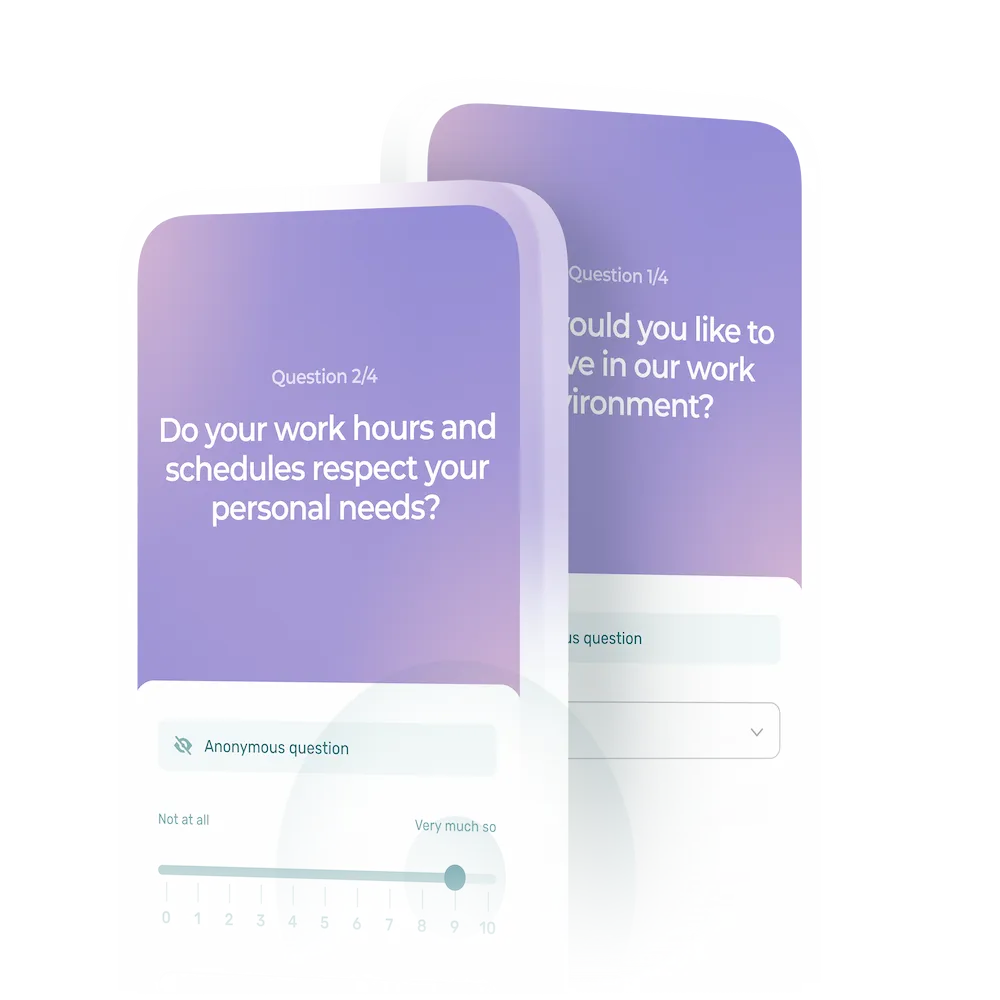
- Regularly survey your team using short, anonymous questionnaires to get an accurate picture.
5. Reinforce Positive Behavior Through Employee Recognition
Employee recognition, even when simple, is a powerful driver of motivation. It reinforces positive behavior and encourages others to follow suit.
Why it’s worth it: What gets praised gets repeated. And what gets repeated becomes your culture.
To do:
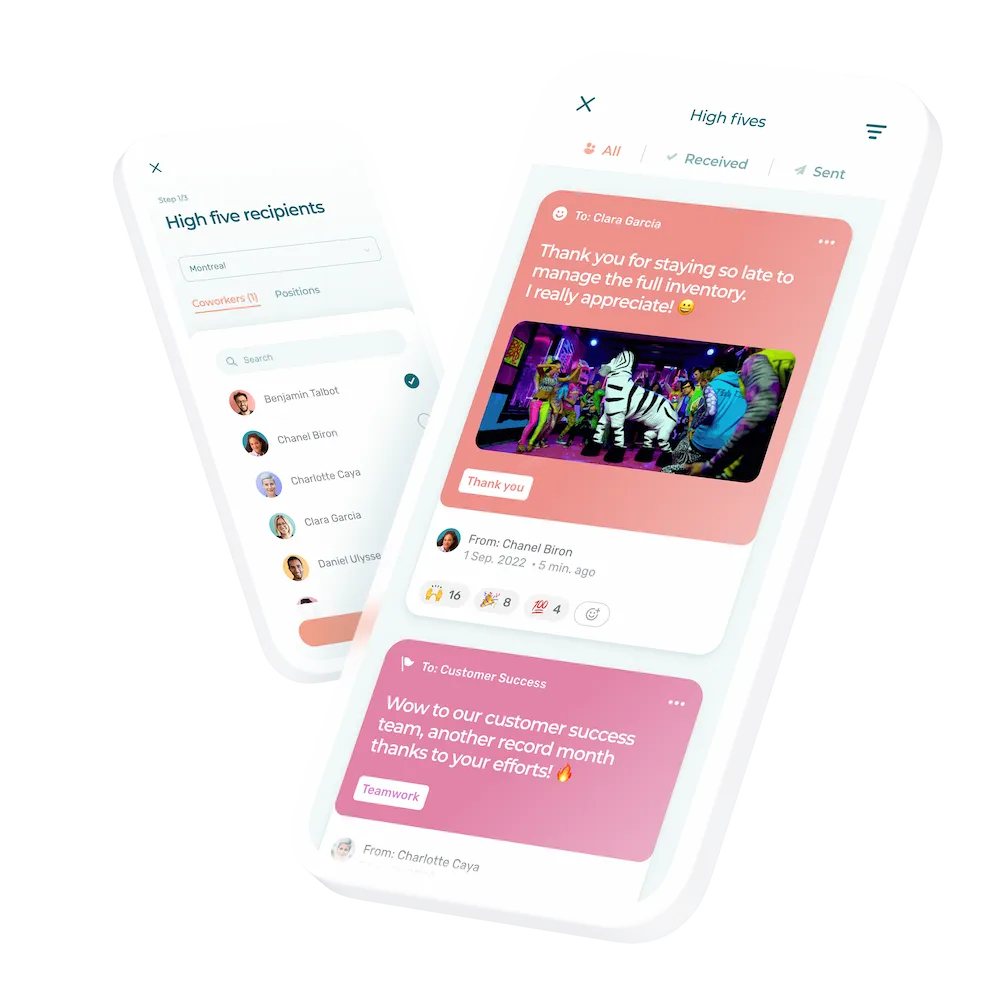
- Publicly acknowledge an employee’s collaboration or positive attitude in front of the team.
- Offer small perks, such as a preferred shift choice, a coffee, or a mention in a team message, to highlight successes.
- Encourage team members to recognize each other’s contributions.
6. Document Problematic Behaviors
Human memory has its limits. Documenting incidents in a centralized tool like Agendrix ensures fair and objective follow up, which is essential in people management.
Why it’s worth it: It helps you stay consistent, build credibility, and protect the organization in case of disputes or disciplinary action.
To do:
- Record observed behaviors, dates, and actions taken.
- Log warnings or discussions in employee records.
- Review these notes during performance reviews or follow up meetings.
7. Address Harmful Habits Already in Place
When toxic behavior has been present in your organization for some time, it can feel like it is too late to intervene. In reality, it is always better to address long standing habits than to pay the price later.
Why it’s worth it: Ignoring harmful behavior because it has become “normal” only allows it to take deeper root. Correcting it with tact and consistency sends a strong message: this is a workplace where growth and improvement are expected.
To do:
- Go back to basics by restating expectations to the team without singling anyone out.
- Clearly identify the behaviors that need to change and offer pragmatic alternatives.
- Support change through regular follow ups rather than waiting for the situation to resolve itself.
A Healthy Culture Is a Smart Investment
Managing toxic behaviors at work is not about witch hunts. It is not about being overly strict or stifling spontaneity. It is about protecting your team, your business, and your revenue.
A healthy work environment is more than an ideal. It is a powerful performance driver. Every toxic behavior that goes unaddressed causes harm. On the other hand, every positive behavior that is recognized strengthens collaboration, improves service, and helps the business grow.
💡 By acting early, you avoid preventable losses.
💡 By being consistent, you create clarity.
💡 And by being fair, you build trust.
Start creating a healthier work environment today, one action at a time.
How to respond to disrespectful behavior at work?
With calm and clarity. Document the facts, address the issue directly with the person involved, and apply internal policies consistently. Acting quickly is key to limiting the impact on the team.
Is toxic behavior at work always intentional?
Not necessarily. It can stem from a lack of awareness or ingrained habits. That is why training your team and providing clear, concrete examples from the onboarding stage is so important.
Why document toxic behaviors at work?
To ensure fair follow up, structure interventions, and support clear communication between managers. Documentation is also essential in the event of disciplinary action or potential disputes.
How to recognize toxic behavior at work?
Look for indirect warning signs such as sarcasm, isolation, microaggressions, repeated sighs, or changes in attitude. These subtle signals are often the first indicators that a work environment is deteriorating.
What is the impact of toxic behavior on productivity?
It can slow task execution, increase errors, and undermine collaboration. Over time, this leads to lower performance and financial losses.
What to do if a customer behaves in a toxic way toward staff?
A manager’s role is to protect their team. Step in professionally, reset the customer’s expectations, and support the employee involved. Tolerating intimidation is never an option.
Is it ever too late to address deeply rooted toxic behavior?
Never. It is always better to act now than to let the situation worsen. By setting clear boundaries and supporting change, you can correct course and rebuild trust.