

Dreaming of opening your own restaurant in Canada? Our step-by-step guide covers everything you need to know about how to start a restaurant with no money.
Making your Restaurant Dream a Reality
Many entrepreneurs dream of opening a restaurant in Canada. But it’s not as simple as the old adage “build it and they will come.” Running a successful restaurant takes much more than just serving great food. There are numerous elements to get right, from securing the right funding to navigating Canada’s complex regulatory landscape.
This beginner’s guide walks you through the main steps of how to start a restaurant in Canada so that you get it right the first time.
Step-By-Step Guide for Opening a Restaurant
There are 11 main steps in opening a restaurant.
Step 1: Choose Your Restaurant Concept
Before diving into the details of opening a restaurant, you need to settle on the concept. What kind of restaurant do you want to run? Brewpub? Dessert café? Pop-up? Your concept will shape everything from your menu to your decor, marketing, and target customers.
A few questions to think about:
- What type of cuisine do you want to serve?
- Will it be casual dining, fast food, or fine dining?
- What kind of atmosphere do you want to create?
- Who are your target customers (e.g., families, millennials, professionals)?
Your concept should align with your passion, but also be viable in the market. Research your competition and see what works (and what doesn’t) in your desired location. The key is to find a unique angle that will set your restaurant apart.
Step 2: Write a Restaurant Business Plan
After settling on a concept, it’s time to write a business plan, which will serve as your roadmap for running the restaurant. A well-thought-out business plan will help you secure funding, attract potential investors, and stay on track as you grow your business.
A good restaurant business plan should include:
- Executive summary: A brief description of your restaurant concept, vision, and mission.
- Market analysis: Research on your target market, competitors, and location.
- Menu and pricing: An overview of your menu offerings and their price points.
- Marketing strategy: Plans for advertising and attracting customers.
- Financial plan: Detailed estimates of start-up costs, revenue projections, and break-even analysis.
→ Learn all about managing restaurant costs in our Restaurant Owner’s Financial Handbook
Joining industry associations like Restaurants Canada can provide you with industry reports, best practices, and other valuable market insights that will help you understand customer trends and regulatory requirements, making your plan more robust and investor-ready.
Step 3: Obtain Restaurant Funding
Opening a restaurant can be capital-intensive, and securing funding is often one of the biggest hurdles for first-time restaurateurs. You may need to use a mix of personal savings, business loans, and private investors to cover expenses such as renovations, equipment, and initial operating costs.
Here are some funding options to explore:
- Bank loans: Approach banks or credit unions with your business plan to apply for a loan.
- Government grants and programs: Check for any available programs from Canadian federal or provincial governments to support new businesses. Try the Government of Canada’s online Business Benefits Finder tool to get a tailored list of government programs and services in just two minutes.
- Angel investors or venture capitalists: These individuals or groups invest in restaurants in exchange for equity or a share of profits.
- Crowdfunding: If your concept resonates with the public, crowdfunding platforms like Kickstarter or Indiegogo could help raise funds.
- Industry Associations: Some associations offer funding resources, such as grants, loans, or connections to investors. They can also provide advice on accessing financial support programs tailored to small business owners.
Lenders and investors will want to see a solid business plan and clear financial projections before handing over any capital. Be prepared for a lengthy process.
Step 4: Create a Menu
The menu is at the heart of your restaurant. It should reflect your concept and cater to the tastes of your target market. Whether you’re offering a casual snack or a gourmet dining experience, the menu should be enticing, easy to read, and cohesive with the atmosphere you’re creating.
A few tips when creating your menu:
- Consider food costs: The ideal food cost percentage typically falls between 25-35%.
- Offer variety: Cater to different tastes, dietary preferences, and allergies.
- Menu design: A visually appealing menu layout makes a big difference. It must be easy to navigate, with clear sections for appetizers, mains, desserts, and beverages.
- Sustainability: Consider incorporating locally sourced or organic ingredients. Sustainable practices can be an attractive selling point.
Your menu will also influence the kitchen equipment and staff you’ll need.
Step 5: Find a Commercial Space
Location can make or break the success of any restaurant. Consider the following when looking for the ideal restaurant space:
- Foot traffic: Is the location accessible to your target market? The best location for a restaurant is often near office buildings, schools, or high-traffic areas.
- Size and layout: The space needs to be large enough for your dining area, kitchen, and storage needs. Ideally, it should also leave some space for future growth.
- Parking and accessibility: Is there sufficient parking nearby or easy access to public transit?
- Lease terms: Read the lease carefully and make sure it aligns with your long-term goals.
Commercial real estate prices can vary significantly depending on the city or province. Do thorough research to find a location that fits both your vision and your budget.
Step 6: Plan Your Restaurant’s Layout
The restaurant layout will impact both the customer experience and operational efficiency. Here are some things to think about when planning your restaurant space:
- Front-of-house: The dining area, including seating arrangements, decor, and ambiance. The space should offer customers a comfortable dining experience, with sufficient room for both customers and wait staff to move around easily.
- Back-of-house: The kitchen, storage, and staff areas. It takes a well-organized kitchen to ensure smooth operations during peak hours.
- Workflow: The flow of customers and staff should be efficient, with no bottlenecks that could slow down service.
Your restaurant’s design should complement the concept and provide a pleasant dining experience.
Step 7: Acquire Restaurant Permits and Licenses
Before you can serve food to customers, you’ll need to acquire the necessary permits and licenses to comply with Canadian regulations. These vary by province and municipality but typically include:
- Business license: Register your business with the local government.
- Food handling permits: Ensure your kitchen meets health and safety standards. This may require inspections by local health authorities.
- Liquor license: If you plan to serve alcohol, you’ll need to apply for a liquor license, which can take time to secure.
- Fire and safety inspections: Your building must meet safety codes for fire exits, electrical wiring, and more.
- Music and copyright licenses: If you plan to play music, you may need a license from SOCAN (Society of Composers, Authors, and Music Publishers of Canada).
Research and apply for these licenses early in the process to avoid delays. Start by consulting the BizPaL website. This free service from the Government of Canada provides a tailored list of permits and licenses based on your business location and industry.
Industry associations also often have guides or experts available to help you navigate the licensing process and ensure compliance with health, safety, and zoning regulations.
Step 8: Acquire Restaurant Equipment
Next you need to purchase the necessary equipment. The items you’ll need will depend on your restaurant concept but generally include:
- Kitchen equipment: Ovens, stoves, refrigerators, fryers, etc.
- Serving equipment: Plates, cutlery, glassware, etc.
- Point of sale (POS) system: For managing orders and payments.
- Cleaning equipment: Dishwashers, mops, cleaning supplies.
Look for reliable suppliers and consider leasing options for some equipment if you’re working with a tight budget. Your industry association may provide access to product recommendations, discounts and even financing options.
Step 9: Hire Restaurant Staff
Hiring the right restaurant staff is crucial to the success of your restaurant. Depending on your concept, you’ll need to hire:
- Kitchen staff: Chefs, sous-chefs, cooks, dishwashers.
- Front-of-house: Servers, bartenders, hosts, and cleaning staff.
- Management: General manager, assistant managers.
Consider making your restaurant manager your first hire. An experienced restaurant manager will bring invaluable knowledge and expertise in managing restaurant staff, freeing you to focus on strategic decisions.
Step 10: Advertise your restaurant
Create a marketing plan before opening your doors to spread the word about your restaurant. Some common restaurant advertising strategies include:
- Social media: Create accounts on platforms like Instagram and Facebook to showcase your food and build anticipation.
- Local listings: Get listed on local restaurant review sites like Yelp or TripAdvisor.
- Press coverage: Reach out to local food critics or bloggers for coverage.
- Grand opening event: Host an event to generate buzz and attract your first customers.
Word of mouth is crucial in the restaurant business, so make sure you’re actively engaging with your local community.
Step 11: Host a Soft Open
A soft opening is a great way to test out your menu, staff, and kitchen operations before the grand opening. Invite friends, family, or a select group of people to dine at a discounted rate in exchange for feedback. This gives you the chance to work out any kinks and ensure everything runs smoothly when you officially open to the public.
→ Franchises are typically very successful businesses, very quickly. Here are 8 Tips You Can Learn from Franchise Practices
Never Underestimate the Importance of Effective Employee Management
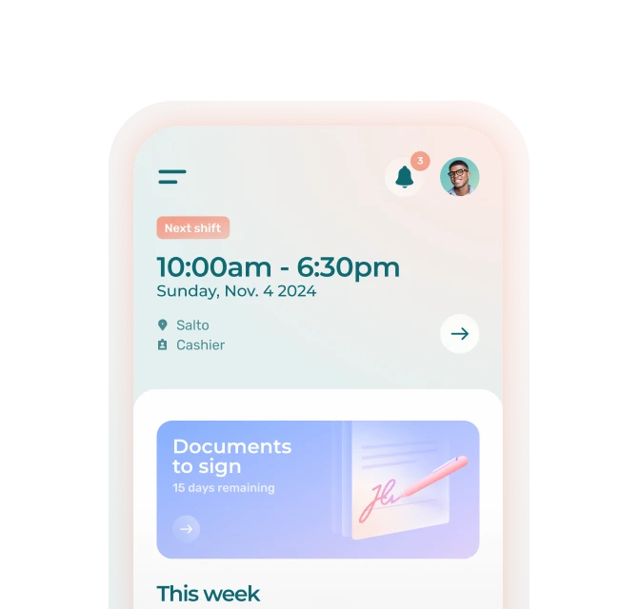
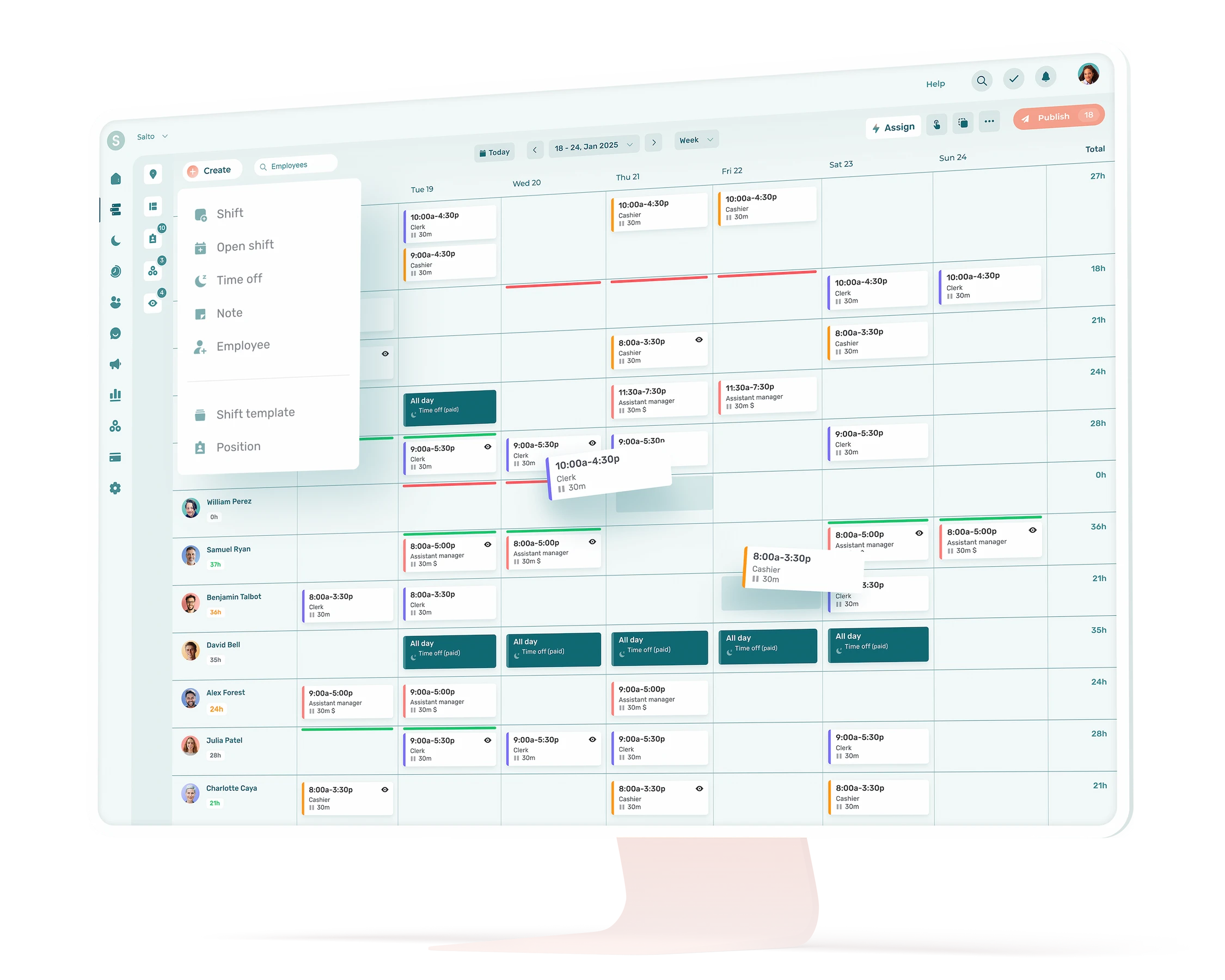
Employee management is one of the most critical components of running a successful restaurant. This encompasses everything from attracting and recruiting the right candidates to effectively managing your staff day-to-day – onboarding, training, scheduling, time-off requests, shift swaps, payroll and more.
You can streamline these processes, save time and reduce mistakes with our restaurant employee scheduling and management software. With Agendrix software, you can easily create and manage schedules, track attendance, process payroll, and communicate with your team—all in one place. Our user-friendly software requires minimal training and is an easy way to ensure your team is always well-prepared and motivated so that your restaurant runs smoothly.
We’ve also put together a resource center designed specifically for restaurant managers. Have a peek!
Many Canadian restaurants have streamlined employee management with Agendrix. Read their testimonials here.
From all of us at Agendrix, best of luck with your new restaurant!
What Permits and Licenses Do I Need to Open a Restaurant in Canada?
You’ll need a business license, health and safety permits, liquor licenses (if applicable), and a food handling certificate. Requirements vary by province and municipality, so check resources like BizPaL for tailored guidance.
What Are the Benefits of Joining Restaurant Industry Associations?
Industry associations offer valuable networking opportunities, industry insights, advocacy for your business, and access to resources like regulatory guidance and supplier discounts. Joining associations like Restaurants Canada or provincial groups can also keep you updated on trends and compliance changes.
How Much Does it Cost to Start a Restaurant in Canada?
Startup costs typically range from $100,000 to $1 million, depending on location, size, and concept. This includes equipment, permits, renovations, staffing, and marketing.
Are There Associations Specific to my Restaurant's Location?
Yes. Many provinces and cities have local associations, such as the Ontario Restaurant Hotel & Motel Association (ORHMA) or BC Restaurant and Foodservices Association (BCRFA). These provide regional resources, training programs, and support tailored to your area.
How Do I Manage My Restaurant Employees Effectively?
Use employee management software like Agendrix to streamline hiring, scheduling, payroll, and communication. These tools save time and improve organization, and help ensure your restaurant runs smoothly.
What Are the Minimum Wage and Labour Laws for Restaurant Employees in Canada?
Minimum wage varies by province and territory, with separate rates for tipped and non-tipped employees in some regions. Employers must also comply with provincial labour laws on overtime, breaks, vacation pay, and termination. Check your province’s labour standards office for up-to-date information.