Fatigue Risk Management in 24/7 Industries: 10 Best Practices for Workplace Safety and Productivity


Key takeaways
- Fatigue risk management helps prevent workplace accidents and boost productivity, especially in 24/7 industries like healthcare, manufacturing, and hospitality.
- Three types of fatigue (transient, cumulative, and circadian) affect alertness and safety in different ways.
- Smart employee scheduling, regular breaks, and limited overtime are key to reducing fatigue risks.
- Using employee scheduling software like Agendrix makes fatigue prevention simpler and ensures compliance.
- A strong Fatigue Risk Management Plan (FRMP) protects your employees, your operations, and your bottom line.
Want to reduce incidents and accidents in your business? It may be time to take a closer look at your fatigue risk management plan.
Did you know that worker fatigue is responsible for 13% of all workplace injuries and increases accident risks by 62%?
This article breaks down fatigue risk management, from what it is to what causes it. We also share proven strategies you can implement so that your business remains safe, productive, and compliant with labor laws.
What Is Fatigue Risk?
Fatigue risk is the likelihood that employees will experience physical and mental exhaustion, which then impacts their performance and safety. It often results from scheduling issues like long hours, irregular shifts, or insufficient rest.
Managing fatigue risk is crucial to maintaining worker alertness, productivity, and safety, especially in 24/7 businesses and in high-risk industries.
3 Types of Fatigue
Transient Fatigue
Transient fatigue, also known as acute fatigue or short-term fatigue, typically refers to temporary fatigue caused by short-term sleep deprivation or extended wakefulness.
👉 A nurse working a double shift in a senior’s residence may experience transient fatigue, increasing the risk of medication errors or lapses in patient monitoring due to prolonged time on duty.
Cumulative Fatigue
Cumulative fatigue, also called chronic fatigue or sleep debt, builds up over time from consistent, mild sleep deprivation.
👉 Hotel staff working several late-night events in a row may develop cumulative fatigue, raising the risk of guest service errors.
Circadian Fatigue
Circadian fatigue, sometimes referred to as shift work fatigue or biological fatigue, happens when night shifts disrupt the body’s natural sleep cycle.
👉 Night shift crews in fast food often face circadian fatigue, leading to errors in food preparation or cash handling.
What’s the Difference Between Fatigue and Sleepiness
Fatigue and sleepiness are often confused, but they are different. Sleepiness is the feeling of needing to sleep, while fatigue is the body’s response to sleep deprivation or physical and mental exhaustion.
Fatigue can sometimes be relieved by resting, even without sleep, whereas sleepiness usually worsens with rest or inactivity. While both fatigue and sleepiness can affect alertness, decision-making, and reaction time, fatigue often requires a combination of rest and recovery, while sleepiness is best addressed with proper sleep.
Fatigue
A deep physical and mental state of exhaustion caused by prolonged activity, stress, or insufficient rest
- Reduces: focus, decision-making, and overall performance
- Raises the risk of accidents
Sleepiness
The feeling of drowsiness or the urge to fall asleep
- Reduces: alertness, reaction time, and concentration
- Raises the risk of errors and mistakes
How to resolve fatigue and sleepiness
- Getting proper sleep: 7–9 hours of consistent, restorative rest
- Keeping a regular schedule: maintain stable sleep and wake times, even on days off
- Building healthy routines: staying hydrated, eating balanced meals, and exercising regularly
- Taking breaks and recovering: allow downtime during and between shifts to recharge
- Workplace support: employers can reduce risks by scheduling shifts responsibly, limiting overwork, and ensuring adequate rest periods
Root Causes of Workplace Fatigue
Worker fatigue can be caused by a wide range of factors, some of which are easier to control than others. These causes can be both individual and work-related, and they often interact in complex ways. When left unchecked, they can eventually lead to employee burnout.
The list below highlights some of the many factors that can contribute to fatigue, but it is by no means exhaustive. Identifying and addressing these causes is critical to effectively managing fatigue risk. This is something that should ideally be done by both workers and their employers.
Personal Causes of Workplace Fatigue
- Sleep environment: Poor quality of sleep due to environmental factors, such as noise or light, can contribute to fatigue.
- Sleep disorders: Conditions like sleep apnea can severely disrupt sleep cycles and leave employees feeling constantly fatigued.
- Health: Illnesses or chronic conditions can increase fatigue.
- Social commitments: Family or social obligations that interfere with rest can contribute to fatigue.
- Age: Older workers may experience more fatigue due to changes in sleep patterns.
- Lifestyle choices: Excessive drinking or drug use can worsen fatigue.
Work-Related Causes of Workplace Fatigue
- Shift schedule design: Poorly designed shift patterns can disrupt employees’ natural sleep cycles.
- Overtime and on-call arrangements: Long hours and irregular schedules contribute to worker fatigue.
- Environmental conditions: High temperatures or noisy environments can increase physical fatigue.
- Breaks: Insufficient or poorly timed breaks contribute to fatigue buildup.
- Safety culture: Lack of a strong safety culture and commitment to fatigue management increases risk.

10 Ways Scheduling Can Help Prevent Fatigue Risk Management in 24/7 Industries
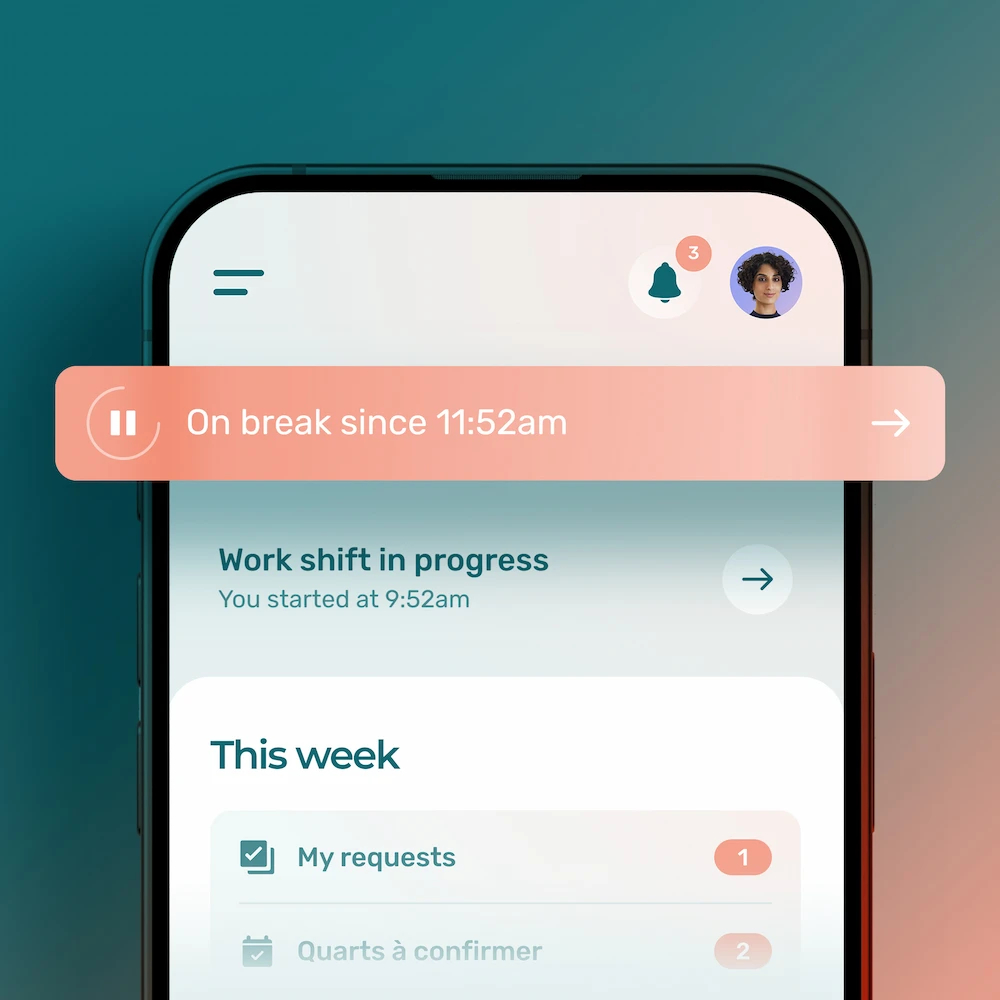
There are many ways to manage worker fatigue in 24/7 industries, and some approaches may be better suited to certain businesses than others. That said, the following 10 ideas are widely applicable and can be gradually adopted with minimal disruption to operations.
To help business owners with change management, we’ve also highlighted how employee scheduling software can help make implementing these changes easier and seamless.
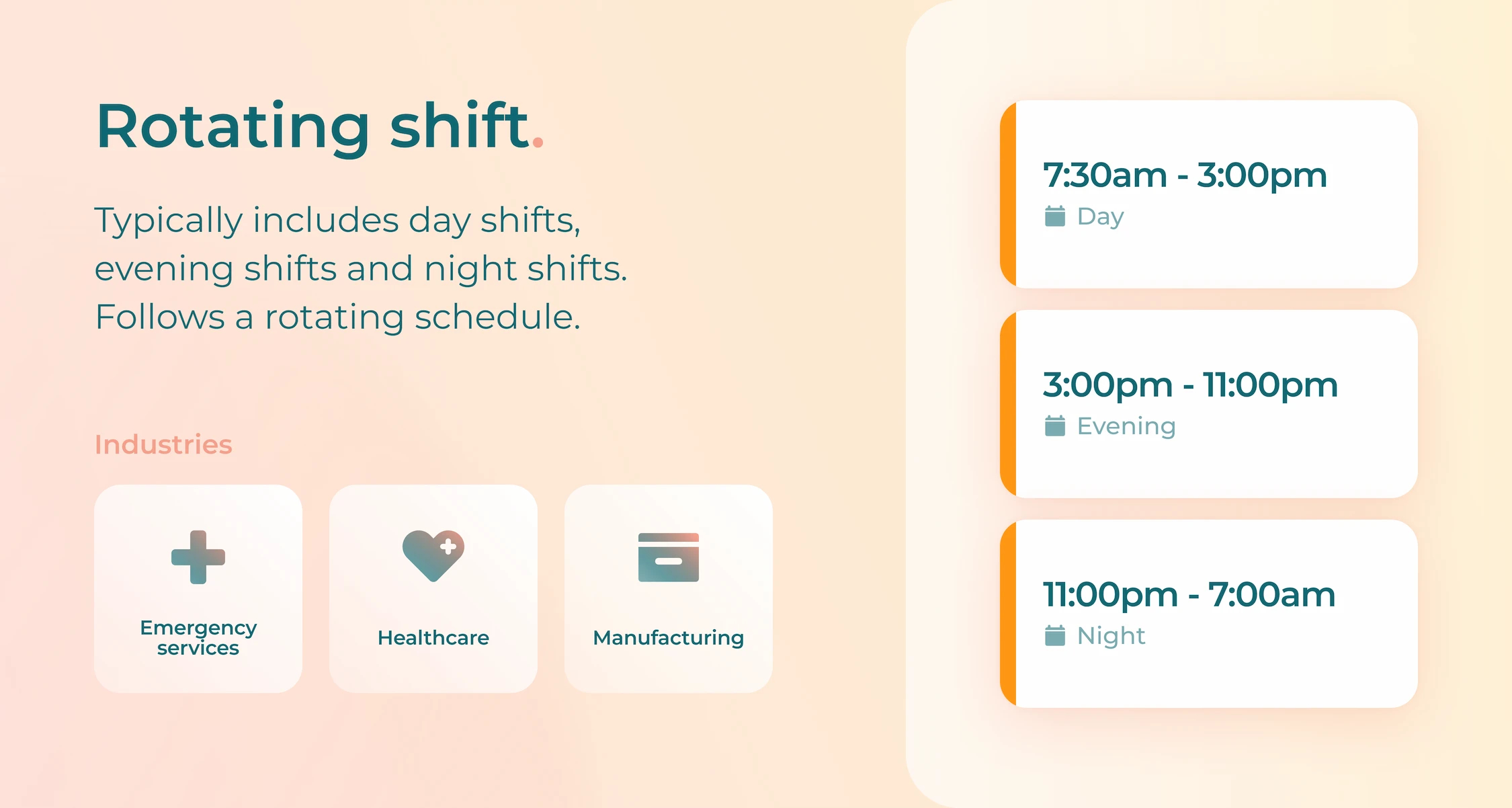
1. Implement Rotating Shifts
Rotating shifts, where workers alternate between day and night shifts, can help minimize the effects of shift work. This approach ensures that no one group works exclusively night shifts, which are linked to poorer sleep quality and higher fatigue levels.
Dive deeper:
Rotating Shift Schedule: Guide to Boost Your Scheduling Strategy
How to Create a 24-Hour Shift Schedule + Tips & Templates
2. Incorporate Regular Breaks During Shifts and Adequate Rest Between Shifts
Providing employees adequate breaks and ensuring they get sufficient rest between shifts are key to managing employee fatigue. Regular breaks help employees recharge and stay alert, especially in fast-paced industries like fast food and manufacturing.
Dive deeper:
Work Breaks: All You Need to Know, From Laws to Benefits
How to Have Breaks Added Automatically on Shifts in Agendrix
3. Provide Flexibility in Shift Scheduling
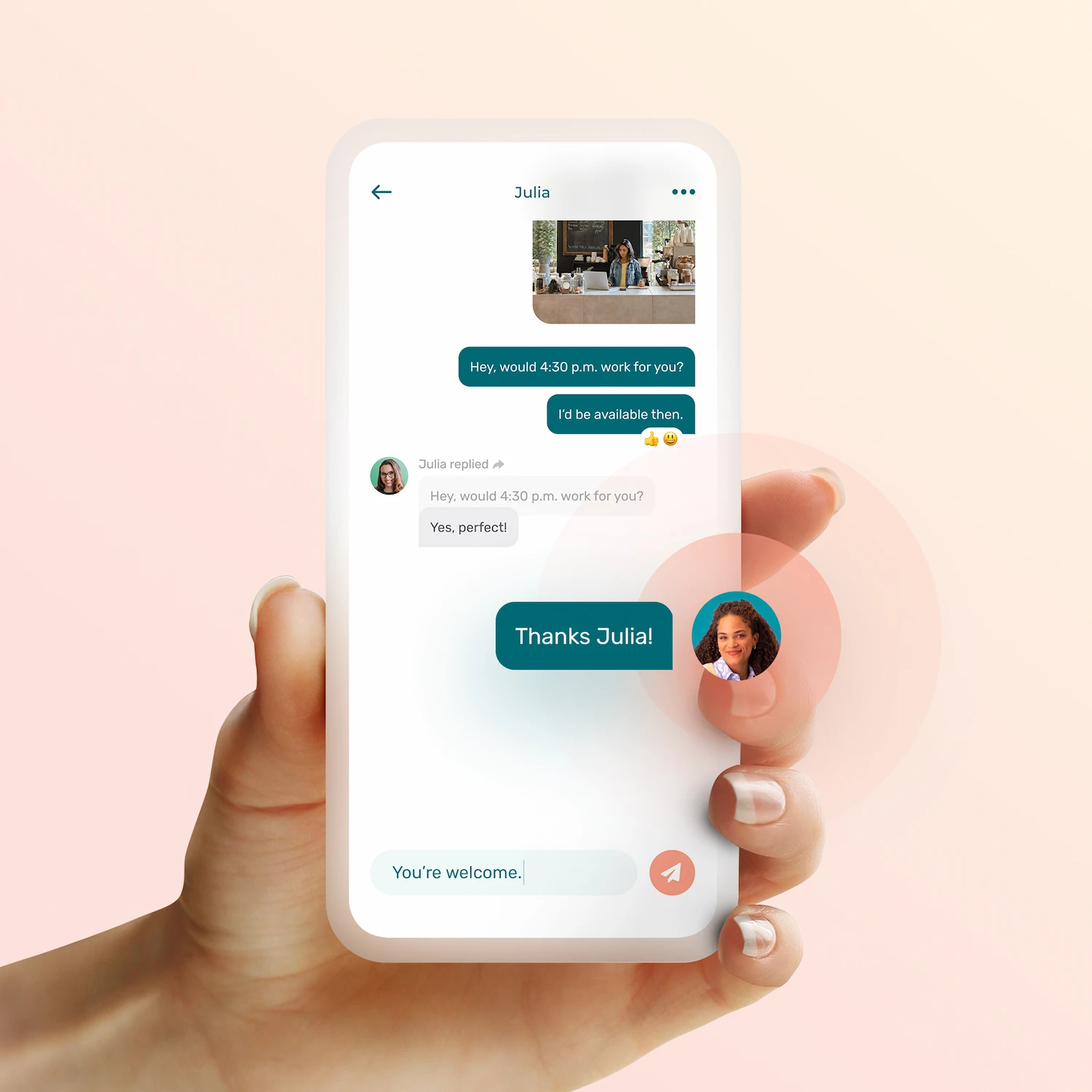
Allowing employees to have input into their schedules, such as letting them choose preferred work shifts or swap shifts with others, can significantly improve work-life balance and reduce stress.
Employee management software supports flexible scheduling by allowing workers to request and swap shifts easily, helping them balance their personal needs with work demands.

Dive deeper:
Flex Schedule: Flexible Working Hours & Life-Work Balance
Managing Shift Transfer Requests (Offer or Swap) in Agendrix
4. Limit Overtime to Prevent Overwork
Overtime can quickly lead to fatigue, especially in industries like manufacturing and healthcare, where long hours are common. Limiting overtime can help workers avoid exhaustion and maintain high performance. It can also lower labor costs, and shows workers that you care about their well-being.
Scheduling software typically has an automatic overtime tracking feature that lets managers effortlessly monitor overtime hours so that work hours don’t exceed healthy limits.
Dive deeper:
Calculating Overtime Hours: A Guide for Employers
How to Change Your Overtime Settings in Agendrix to Reflect Local Rules
5. Promote Healthy Work-Life Balance
A healthy work-life balance is essential for preventing burnout. Offering benefits like mental health days, flexible hours, or wellness programs are all proven ways to support employee well-being.
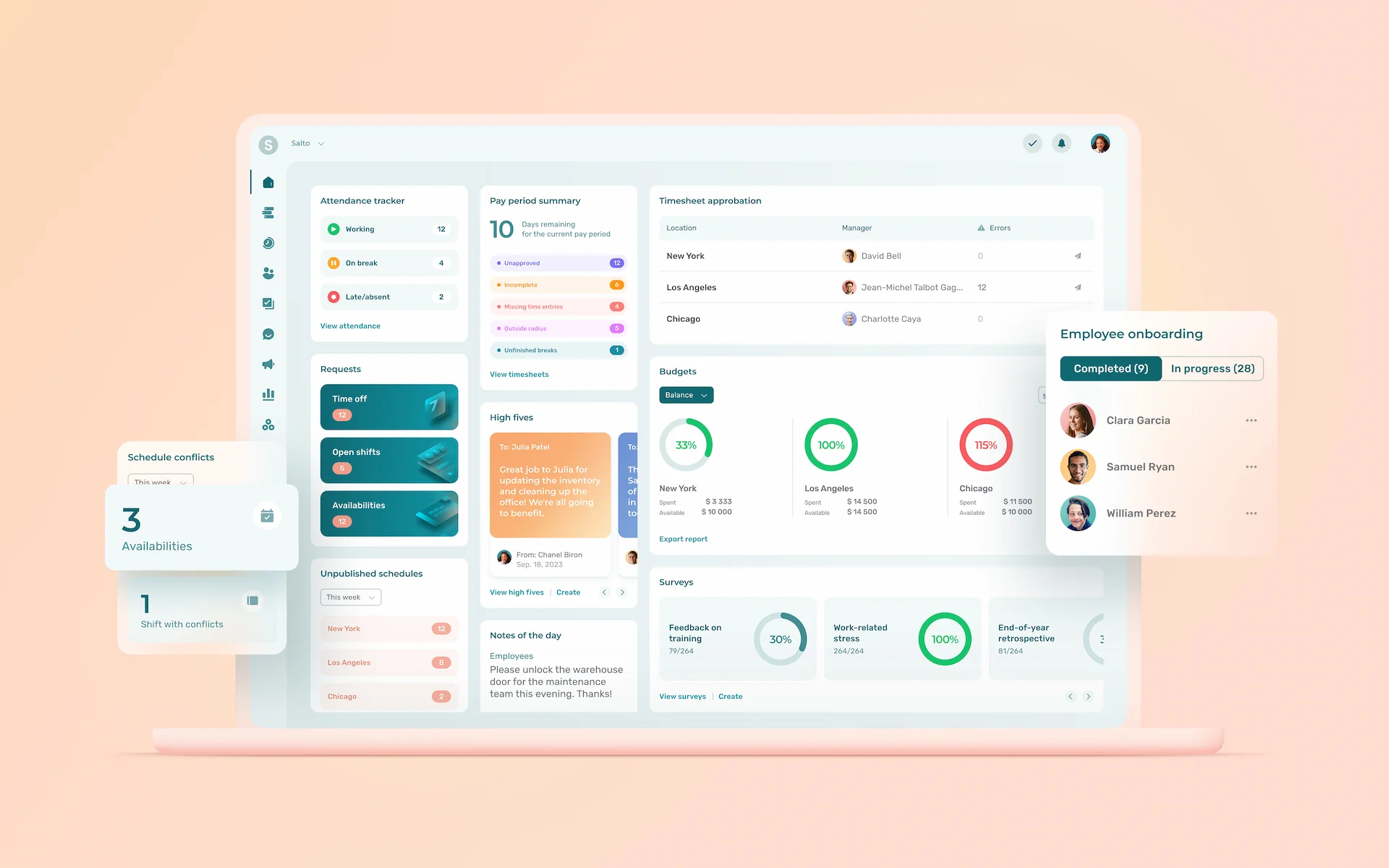
Using scheduling software with an employee self-service portal makes it easy for employees to manage their schedules, request time off, and view their work hours.
Dive deeper:
70 Tips to Improve Work-Life Balance
How to Request Time Off in Agendrix
6. Improve Your Management and Calculation of Paid Time Off
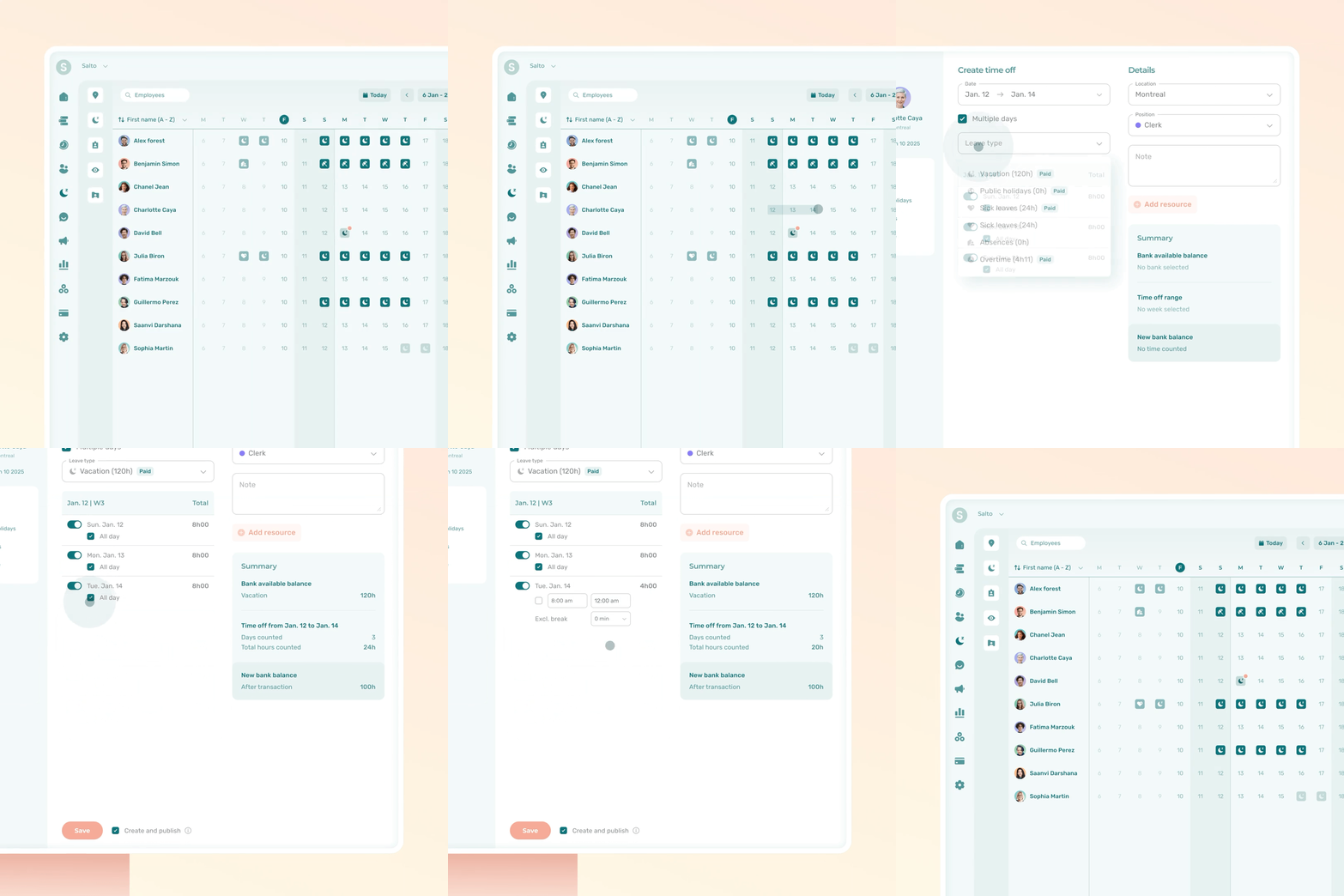
Tracking and managing paid time off (PTO) properly is crucial to ensuring employees are taking the rest they need to avoid fatigue.
Automates PTO tracking with proper employee scheduling software: it will reduce administrative burden while ensuring employees take necessary breaks for recovery.

Dive deeper:
How to Manage and Calculate Your Employees’ PTO
Setting Up Time Offs in Agendrix
7. Adjust Schedules Based on Seasonal Changes
In industries with fluctuating demand, like tourism and food service, adjusting schedules according to seasonal needs can help manage fatigue. For example, during peak seasons, workers may benefit from more frequent breaks or reduced hours to stay energized and perform at their best.
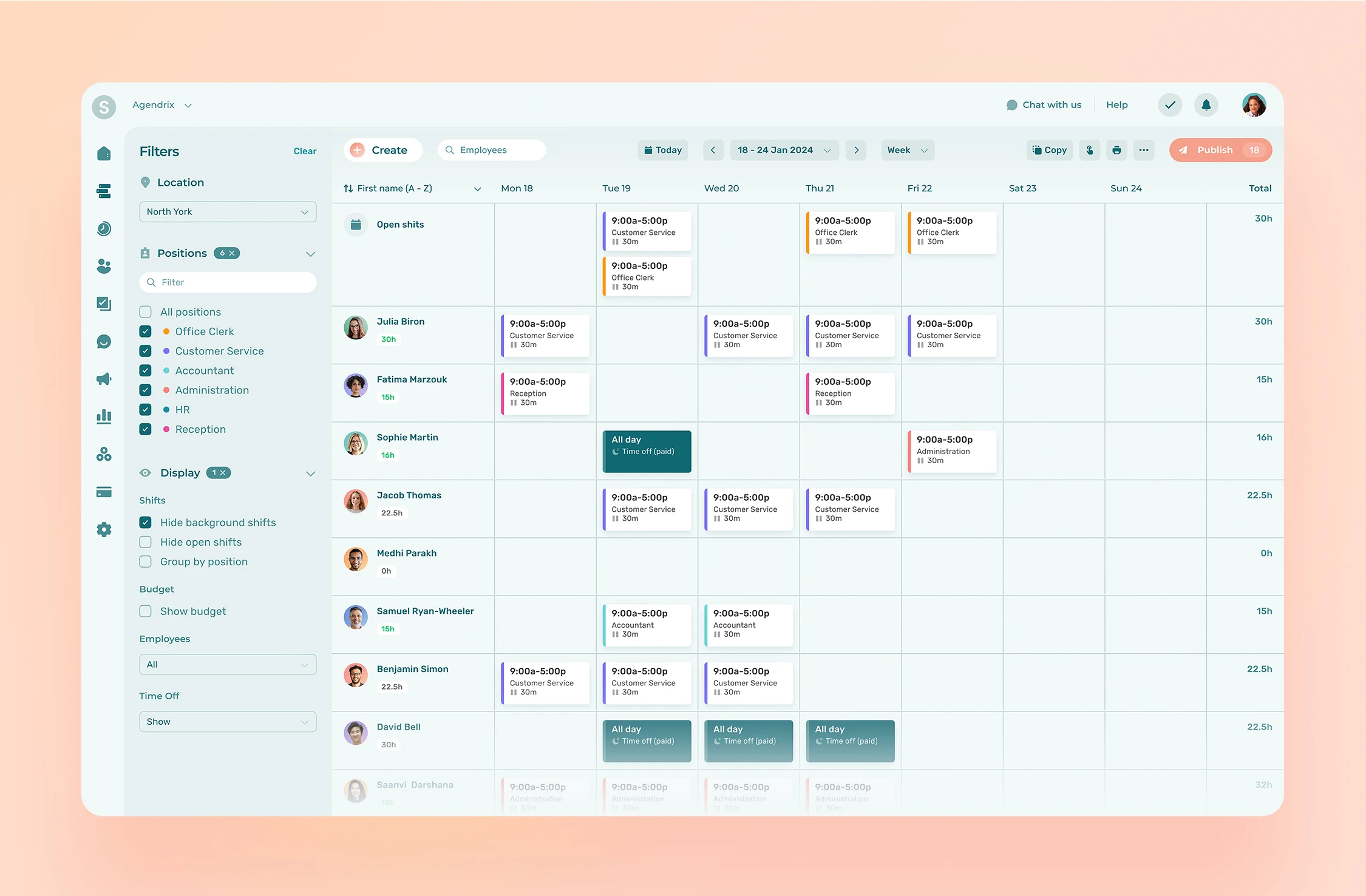
Agendrix software makes it easy to adapt schedules to seasonal demands, such as adjusting shift patterns and staffing levels.
Dive deeper:
A Comprehensive Guide to Different Work Schedule Types
8. Foster Open Communication About Fatigue
Encouraging open discussions about fatigue can help identify problems early on. Employees should feel comfortable sharing feedback on their schedules or fatigue levels.
Validate that employees are not overworked and address fatigue issues proactively. Keep communication open with real-time messaging and regularly send out short satisfaction surveys to your team.
Dive deeper:
6 Tips to Improve Communication with Your Employees
How to Send a Message in Agendrix
9. Implement Fatigue Management in Onboarding
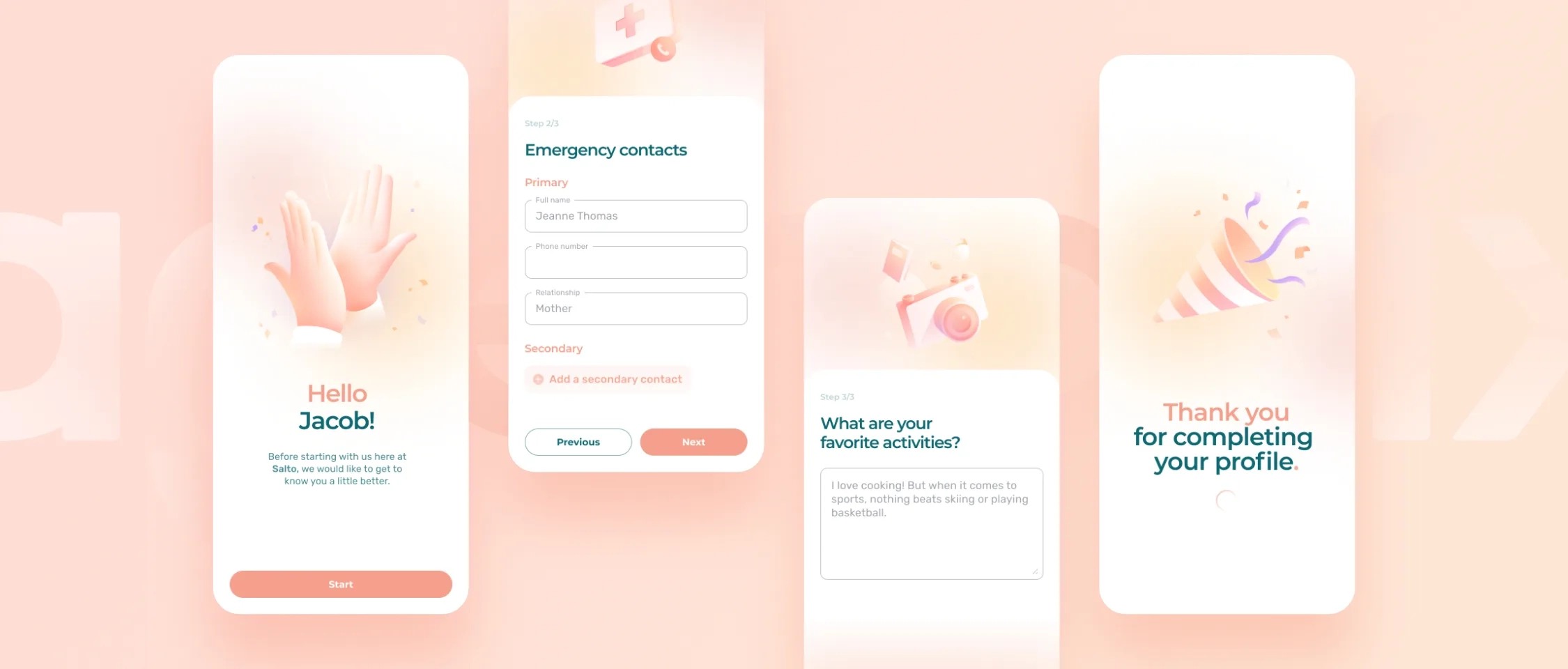
All employees should be introduced to fatigue risk management as part of their onboarding process. Businesses that educate their workers on the importance of proper sleep, breaks, and workload balance are less likely to see worker fatigue become a recurring issue.
Dive deeper:
6 Keys Steps to a Successful Employee Onboarding Process
How to Use the Onboarding Module in Agendrix
10. Automate Fatigue Risk Management with Software
Automating fatigue risk management with software takes the burden off managers. Managers save time as they don’t have to handle complex scheduling rules and compliance checks. It also reduces stress, allowing managers to focus on supporting their teams and improving operations.
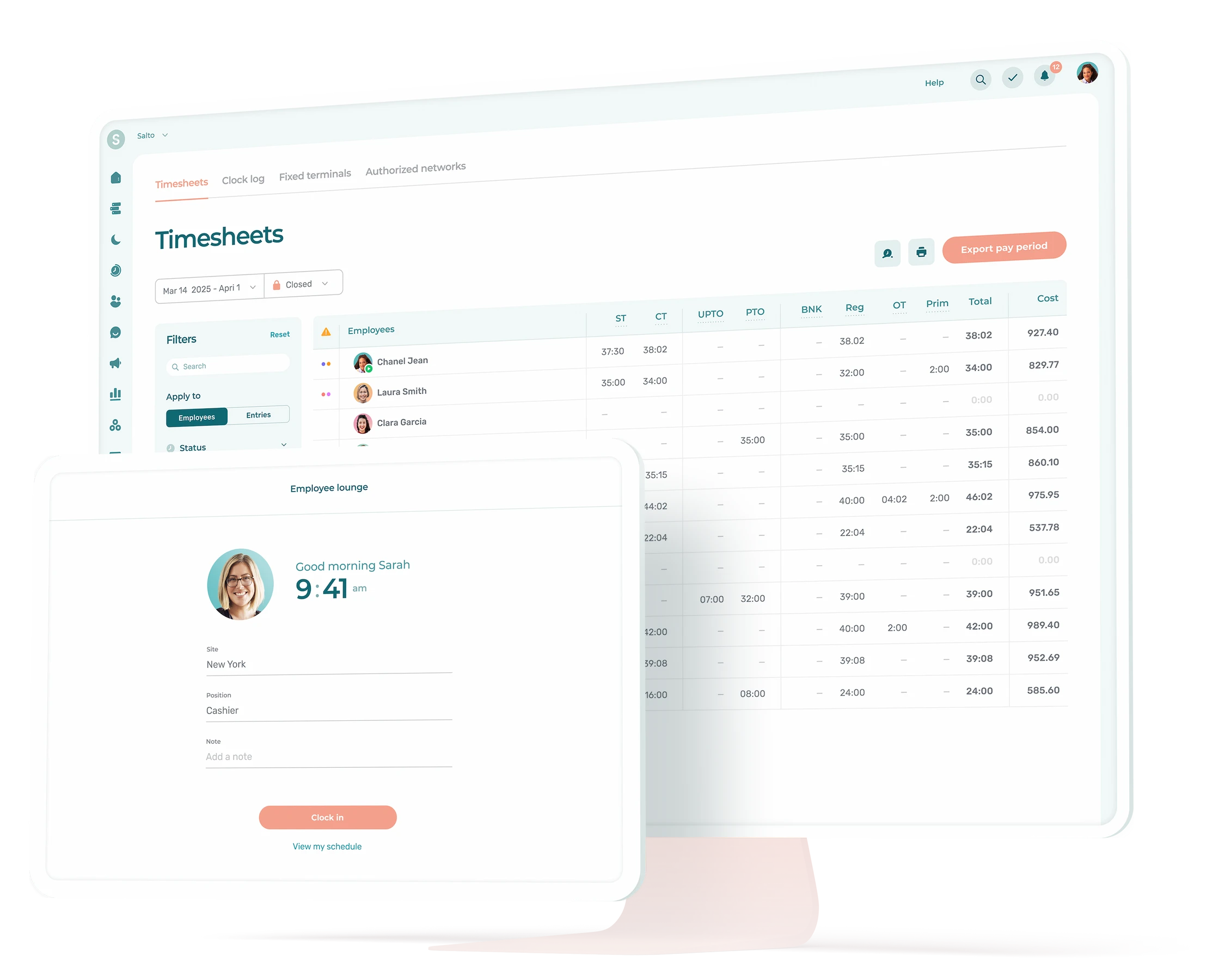
As a comprehensive scheduling software, Agendrix can automate fatigue risk management by ensuring compliance with legal break times, tracking work hours, and preventing overwork through clear scheduling.

Industry-Specific Fatigue Management: Special Considerations and Strategies
Industries with 24/7 operations, shift work, or emergency services face higher fatigue risks. Fatigue-related incidents can be costly and dangerous, particularly in safety-sensitive environments.
Below we look at effective strategies that can be implemented in four industries where employee fatigue management is an ongoing concern.
Fatigue Management in Restaurants
In the restaurant industry, particularly fast-food, employees often work long and repetitive shifts. This can lead to physical and mental fatigue. Scheduling regular breaks and offering flexible shift patterns can help prevent fatigue in this fast-paced industry.
Strategy: Carefully manage breaks and rotate shifts to ensure employees get the rest they need to stay alert and productive.
Fatigue Management in Construction
Workers in the construction industry face long hours, often under physically difficult conditions. It’s crucial to implement rotating shifts, manage overtime carefully, and ensure proper rest to reduce the risk of accidents.
Strategy: Track overtime, ensure workers receive adequate rest between shifts, and adjust schedules to account for peak workloads, such as during project deadlines.
Fatigue Management in Manufacturing
Employees in the manufacturing industry often perform repetitive tasks, which can lead to both physical and mental fatigue. Implementing a fatigue risk management strategy, such as regular breaks and rotation schedules, is vital.
Strategy: Schedule breaks at critical points during the shift, manage overtime effectively, and ensure compliance with fatigue risk regulations.
Fatigue Management in Healthcare and Seniors’ Residences
In healthcare and seniors’ residences, employees often work long shifts, overnight hours, or back-to-back schedules while caring for vulnerable patients. These demanding conditions can lead to fatigue, which increases the risk of errors in medication administration, patient monitoring, and overall quality of care.
Strategy: Implement forward-rotating shifts, schedule sufficient recovery time between shifts, and use workforce management software to ensure fair distribution of overnight and weekend duties.
Adapting Fatigue Risk Management for Individual Needs
Fatigue affects workers differently based on factors like age, health conditions, and special needs. For example, some employees may need longer recovery periods, while those with medical conditions or disabilities might need tailored schedules. So might workers returning from a short parental leave or an extended leave of absence.
By implementing adjustments within a structured fatigue management plan, companies can ensure a safer and more inclusive workplace.
Effective Fatigue Risk Management: Protect Your Employees and Your Business
Fatigue risk is a growing challenge for many businesses in all industries. With a proactive approach and the right tools, like Agendrix software, you can easily implement an effective labor fatigue management plan that safeguards both your employees and your business.
Prioritizing fatigue management ensures a healthier, more productive workforce and reduces the risk of costly accidents.
What is fatigue risk management?
Fatigue risk management is a workplace strategy designed to reduce the health and safety risks caused by employee fatigue. It goes beyond simply encouraging rest; it is a structured system of policies, processes, and tools that help organizations identify, monitor, and manage fatigue in the workforce.
A fatigue risk management system (FRMS) typically includes:
- Employee scheduling practices that prevent excessive hours and allow adequate recovery time.
- Break management to ensure staff have regular opportunities to rest during shifts.
- Training and awareness so workers and managers can recognize the signs of fatigue.
- Monitoring and reporting tools to track overtime, night work, and compliance with labor or safety regulations.
- Supportive workplace culture that prioritizes health, safety, and performance over excessive workloads.
Fatigue risk management is especially critical in industries with long shifts, overnight work, or high physical and cognitive demands such as healthcare, hospitality, manufacturing, construction, transportation, and emergency services.
By proactively managing fatigue, organizations protect employee well-being, reduce errors and accidents, maintain compliance, and improve overall productivity.
Why is fatigue risk management important?
Fatigue risk management is important because it reduces accidents, improves safety, and ensures employees remain alert and productive. By managing schedules, breaks, and recovery time, organizations protect worker health, meet compliance requirements, and maintain consistent performance.
Are companies legally required to have a fatigue risk management plan?
The legal requirement for a Fatigue Risk Management Plan (FRMP) depends on the industry and jurisdiction.
- Canada: Aviation, marine, and rail industries must implement fatigue management measures under federal regulations.
- United States: The FAA (aviation) and FRA (rail) mandate fatigue risk management programs. OSHA does not have specific rules, but some industries have work-hour limits.
- Europe: there is no uniform requirement across all sectors. The EU Health and Safety Framework Directive and the Working Time Directive require employers to address risks related to fatigue. Certain sectors, such as aviation and transportation, are specifically mandated to implement fatigue management programs.
- Other Industries: While not always legally required, an FRMP is considered a best practice to improve safety and productivity. Sectors like petroleum, health care, or first responders don’t have universal legal mandate for a formal FRMP. That said, organizations often rely on standards and guidelines to demonstrate due diligence and manage fatigue risks effectively.
For industry-specific regulations, companies should consult local labor laws and safety authorities.
How to prevent fatigue in the workplace?
Preventing fatigue in the workplace requires a proactive approach that combines smart scheduling and proper shift planning, supportive policies, and the right tools. A Fatigue Risk Management Plan (FRMP) helps organizations identify risks, monitor work patterns, and protect employees from exhaustion.
How can fatigue affect workplace safety and productivity?
Fatigue reduces alertness, slows reaction times, and increases the likelihood of mistakes, leading to all sorts of unwanted outcomes:
- Accidents
- Inefficiencies
- Poor customer service
- Lost sales and reputation
- Legal liability
- Poor employee morale, attendance, and retention
Which industries are affected by fatigue risk management?
Industries with demanding work schedules are particularly susceptible to fatigue-related issues. These include fast food, construction, manufacturing, transportation, and emergency services.
It is especially important for businesses in these sectors to implement effective fatigue risk management strategies to mitigate potential safety hazards and maintain productivity in the workplace.