

Key takeaways
- Seasonal employees have the same rights as your regular team under provincial employment standards.
- The minimum age to work and the rules for young workers vary widely from one province to another.
- Kitchens, patios, and outdoor sites all expose workers to real heat-related risks.
- Managing time-off requests during peak season requires a clear, consistent process.
- Onboarding and harassment policies apply from day one, regardless of contract length.
The hiring season is opening, and with it comes longer shifts, new faces, and bigger teams. Before the rush hits, here is a quick refresher on safety rules, employment standards, and the realities of managing a seasonal team across Canada.
Summer is often a growth season for Canadian businesses such as restaurants, retail stores, municipalities, and day camps, as well as work in tourism and hospitality. It also brings a familiar set of challenges: bigger teams, new faces, high turnover, and managers so busy filling shifts they barely have time to make sure everyone is properly trained.
In Quebec alone, workers under 25 sustained 10,564 work-related injuries in 2024, close to one in ten injuries reported in the province (CNESST, 2024).
Across the country, summer is when those numbers tend to peak: new hires take on tasks they have never done before in workplaces they barely know, often during the busiest weeks.
None of this is cause for alarm. But a good reason to take stock before the season kicks in.
Seasonal Employee Rights: No Grey Zone


Seasonal employees in Canada have the same rights as any other worker under their provincial employment standards. That covers statutory holidays, vacation, minimum wage, and workers’ compensation coverage when a workplace injury occurs.
A few practical reminders:
- The standard work week varies by province (40 hours in BC, Alberta, and Quebec; 44 hours in Ontario; up to 48 in Nova Scotia and PEI), and overtime pay is owed beyond that threshold.
- Time spent on training and any travel required by the employer counts as work time and must be paid.
- Minimum wage rates are set provincially and update periodically, so check your provincial rate.
- Every employee is entitled to at least one full day of rest per week, with most provinces requiring between 24 and 32 consecutive hours. Seasonal hire or not, you cannot ask someone to work 30 days in a row.
- Statutory holidays are paid days off. If an employee works that day, most provinces require premium pay or a paid day off in lieu, with the exact rule varying by jurisdiction.
⛱️ Reminder: Canada Day, Civic Holiday (in most provinces), Quebec’s Saint-Jean-Baptiste (June 24), and Labour Day all land in peak season. Plan your schedules early, before the time-off requests start rolling in.
What Managers Often Forget
- In many provinces, an employee called in for a shift but sent home early is still entitled to a minimum number of paid hours. Ontario has a three-hour rule, BC has a two-hour minimum, and most other provinces have similar protections. Even if someone only stays 45 minutes, you may owe them more.
- Tips belong to the employee. The employer cannot keep them or impose a sharing arrangement without the team’s consent. Rules vary by province, so it is worth confirming yours before you draft a tip-pooling policy.
Young Workers: The Rules Worth Knowing Cold
Restaurants, day camps, public pools, retail, and campgrounds hire massive numbers of young workers each summer. They are a precious workforce, but you need to respect the legal framework to the letter.
Minimum Age Varies by Province
There is no national minimum working age in Canada. Each province and territory sets its own:
- Alberta: 12 to 14 for approved light work (delivery, office clerking, certain restaurant duties), with parental consent and strict hour limits. A permit from Employment Standards is required for any work outside the approved list.
- British Columbia: 16 generally, with 14- and 15-year-olds allowed for “light work” under written parental consent. Workers aged 12 to 13 require a permit from the Employment Standards Branch.
- Saskatchewan: 16 generally, with 14- and 15-year-olds allowed if they complete the Young Worker Readiness Certificate Course and obtain written parental consent. Young workers under 14 require a special permit from the Director of Employment Standards.
- Manitoba: 13 with completion of the Young Worker Readiness Certificate Course and written parental consent. Children under 13 cannot be employed.
- Ontario: 14 for most workplaces, 16 for construction sites, 18 for underground mining.
- Quebec: 14 minimum, with limited exceptions for non-profits, family businesses, municipal recreation, and agricultural businesses with fewer than 10 employees. Workers under 14 can also perform in artistic productions with authorization.
- Atlantic provinces: 14 with restrictions in NB, NS, and NL; 16 in PEI. Most standard employment opens at 16 across all four.
- Federally regulated industries (banking, telecom, transportation, postal services): 18 since June 2023, with limited exceptions for non-hazardous work outside school hours.
Beyond these general thresholds, certain hazardous tasks (serving alcohol, operating heavy machinery, working at height) require a higher minimum age in every jurisdiction, regardless of the general rule.
Hour Limits During the School Year
Most provinces relax their hour restrictions during summer or school breaks longer than a week. During the school year, restrictions tighten back up:
- Quebec: workers aged 14 to 16 cannot exceed 17 hours per week, with a maximum of 10 hours from Monday to Friday, and cannot work between 11 p.m. and 6 a.m.
- Ontario: workers under 16 generally cannot work during school hours.
- British Columbia: workers aged 12 to 14 are limited to four hours on a school day and cannot work between 8 p.m. and 6 a.m.
- Alberta: adolescents aged 12 to 14 cannot work more than two hours on a school day or eight hours on a non-school day, and cannot work between 9 p.m. and 6 a.m.
If you are hiring as early as May or keeping young employees through September, plan for those rules to kick back in once school resumes.
Employer Obligations
You cannot assign a minor a task that exceeds their capacity or risks harming their physical or moral development. In practice: a 14-year-old in a restaurant should not be lifting heavy loads or working an overnight kitchen shift alone.
Several provinces also require employers to identify, often through a joint health and safety committee, the specific risks that may particularly affect workers under 16. The weeks following a hire are the most dangerous, regardless of age. Young workers, more often in the position of new employee, are doubly vulnerable: less familiar with the work, less comfortable flagging a hazard. A structured onboarding is not a luxury. It is a prevention measure.
The BC data illustrates why: WorkSafeBC reports that nearly 7,000 young workers are injured on the job each year in the province, with about 800 sustaining serious injuries and 34 deaths recorded over the past five years.
👷 The Canadian Centre for Occupational Health and Safety (CCOHS) compiles young worker safety resources by province. Worth bookmarking before May.
🐥 Learn more about hiring young workers in our complete guide on hiring young employees.
Onboarding: The First Weeks Are the Riskiest

A seasonal employee starting a new job is not just inexperienced in the tasks you assign them. They are also less familiar with the specific risks of the workplace, less comfortable asking questions, and often too focused on making a good impression to flag a problem.
The weeks following a hire are when workers, regardless of age, are most likely to get hurt. During peak season, teams grow fast and managers do not always have the time to deliver a proper onboarding.
What the Employer Must Do on Day One
Across every Canadian province, the law is clear: employers have an obligation to inform workers of the risks tied to their position and to train them to do their job safely. This is not a nice-to-have. It is a legal requirement under every provincial OHS act and the Canada Labour Code.
In practice:
- Walk through the position-specific hazards before the new hire starts work (hot equipment in the kitchen, slip risks on a wet patio, manual handling, and so on).
- Pair the new hire with a more experienced employee for the first few days.
- Avoid putting a new worker alone on a difficult shift before they are comfortable.
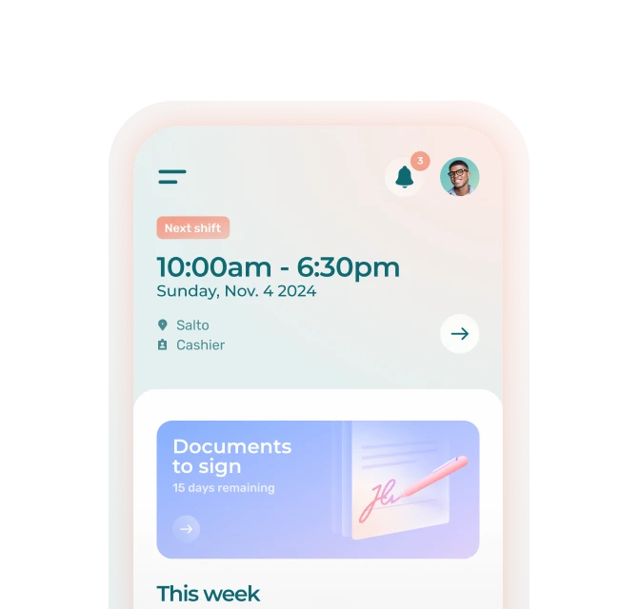
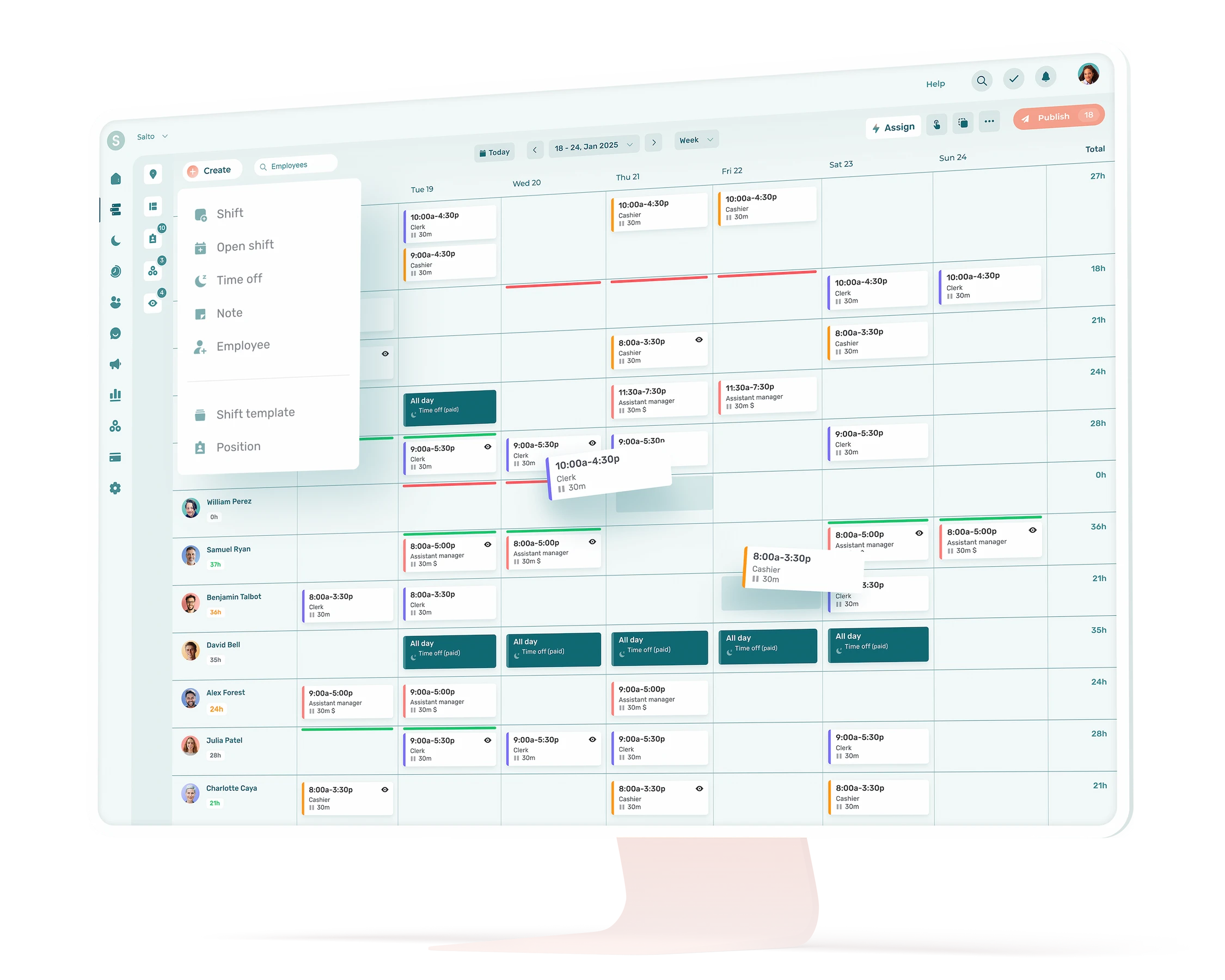
A scheduling tool lets you plan those first weeks differently: lighter shifts, supervisor present, availabilities verified, tasks assigned. HR software lets you document onboarding steps so nothing slips through the cracks.

Heat at Work: A Risk in Every Sector
Heat is something we tend to associate with workers in the sun: road crews, camp leaders, parks staff. But restaurant kitchens, warehouses, and crowded patios carry the same risks.
The numbers back this up. Since 2015, Quebec’s CNESST has recorded 3 deaths and 358 work-related injuries linked to heat exposure, with men aged 20 to 54 accounting for more than 80% of victims. During the 2021 heat dome in British Columbia, workers’ compensation claims for heat-related illness spiked by 180%, and a third of those claims came from indoor workers.
Acclimatization: A Concept to Build Into Your Schedule
A worker needs about five days of work in similar hot conditions to be considered acclimatized to heat. The clock resets after a vacation, an illness, or a long break.
For managers, that means something concrete: an employee returning from two weeks off in mid-July should not be put on the most physically demanding shift the next day. Same goes for a new hire starting during a heat wave. Acclimatization, like the rest of your schedule, has to be planned. It is not over-cautious. It is prevention.
Preventive Measures to Put in Place
- Train employees and supervisors to recognize the symptoms of heat stress before the season starts.
- Keep cool drinking water within easy reach at all times.
- Schedule hourly breaks during hot weather, with longer rest periods as the temperature climbs.
- Stop work immediately for any employee showing signs of heat illness.
📒 CCOHS publishes practical guidance on planning work during heat events. Worth sharing with your supervisors before June.
Harassment and Psychosocial Risks: An Obligation That Doesn’t Take a Vacation

Workplace harassment and psychological safety are no longer optional considerations. Across Canada, employers have legal obligations to prevent harassment, violence, and psychosocial risks at work, and those obligations apply equally to seasonal staff.
The legislative landscape varies by jurisdiction, but the trend is consistent. Ontario’s Bill 168 has required workplace violence and harassment policies since June 2010, as an amendment to the Occupational Health and Safety Act. Quebec’s Bill 27, in force since October 2025, is the most recent example, requiring employers to treat psychological health risks at work on the same level as physical ones.
For managers running seasonal teams, this directly affects two common realities: psychological harassment and sexual violence. These risks are particularly present in restaurants, hospitality, and any workplace where young workers interact with the public, often in high-pressure or fast-paced environments.
What This Means in Practice
Whatever province you operate in, your harassment prevention policy should:
- Be communicated to new hires the day they arrive, not just posted in a break room.
- Train supervisors on what to do if they receive a complaint or witness a problematic situation.
- Account for the fact that young workers, often less likely to speak up out of fear of losing their summer job, are a particularly vulnerable group.
📒 CCOHS provides practical guidance on workplace harassment prevention, with resources adapted to each provincial framework.
Vacation Management: The Calm Before (and During) the Storm
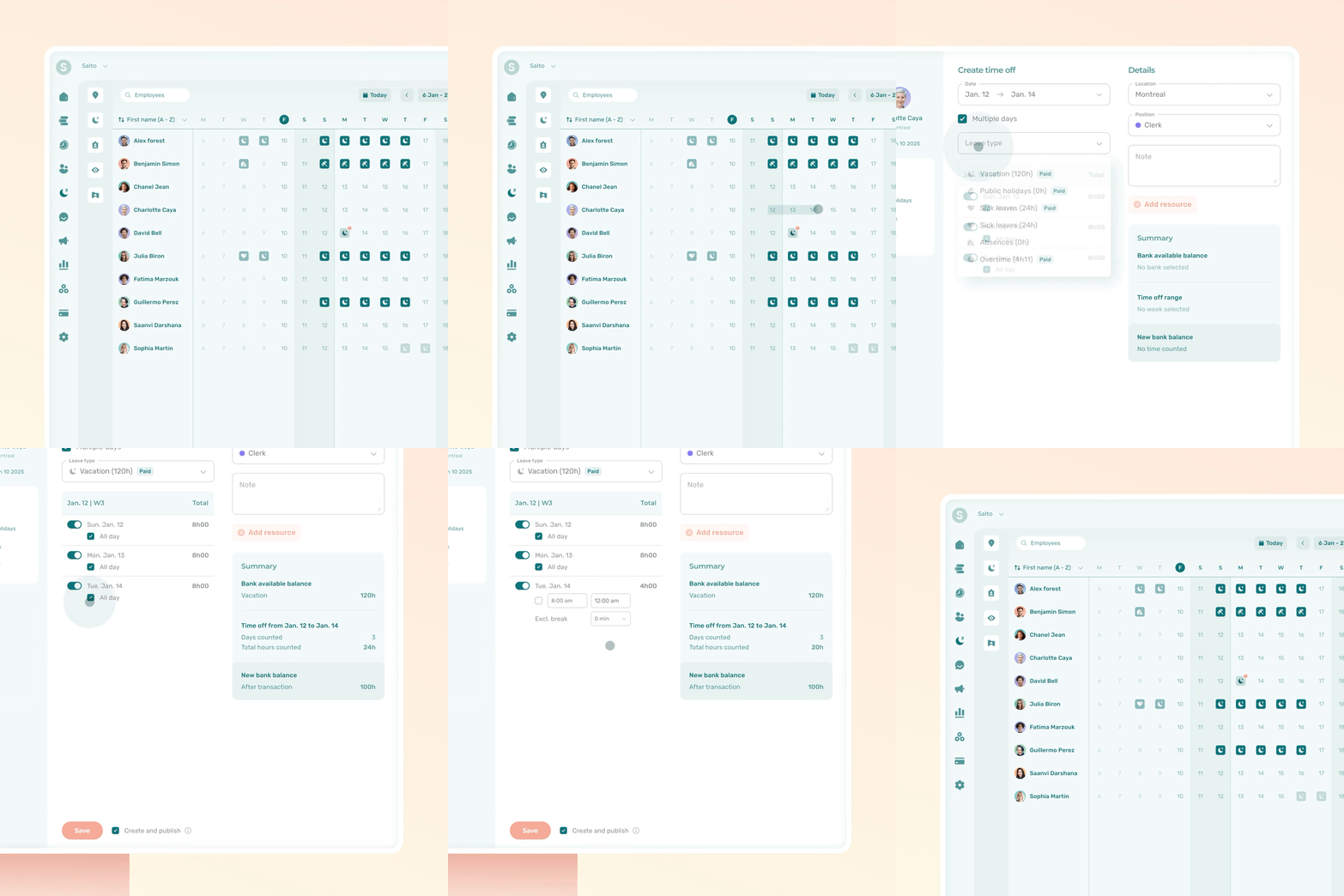
Peak season is also when your most experienced employees want time off. A weekend for a music festival, two weeks with the family, a last-minute trip: without a clear process, you end up arbitrating schedule conflicts on your busiest days.
Build a Fair Process for Time Off
A few practices that make a real difference, when you stick to them:
- Communicate the rules early. Your team needs to know, before the season starts, what the deadline is for time-off requests and how priority is set: seniority, rotation, or first-come-first-served. The rule itself matters less than the fact that it is known and applied consistently.
- Identify blocked-out periods. Some weekends or local events are non-negotiable for your operation. Define them clearly before requests start coming in, and communicate them to the whole team during onboarding.
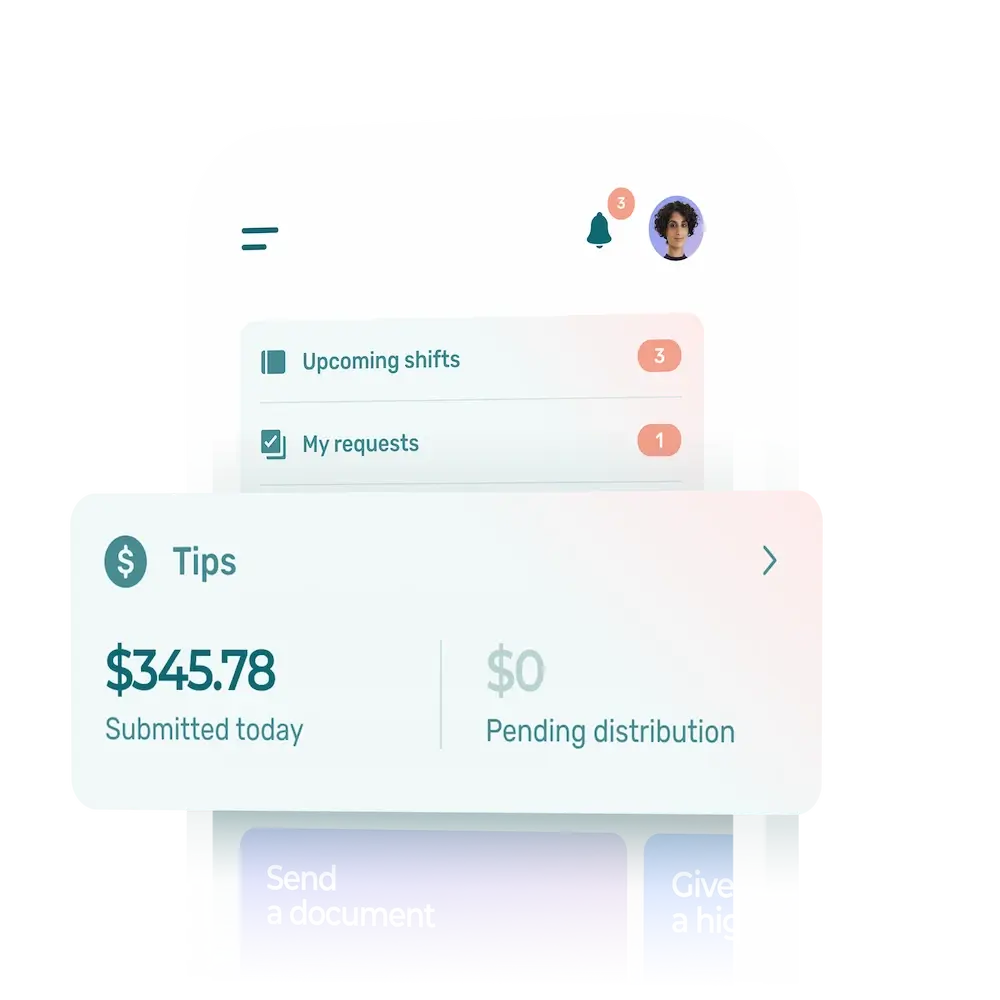
- Keep an up-to-date view of availability. A scheduling app lets you see in real time who is available, who is on vacation, and where your gaps are. It saves you from last-minute Friday surprises.
Legal Obligations on Vacation
Vacation accrual rules vary by province, but most jurisdictions require employers to pay out a minimum percentage of gross wages as vacation pay (typically 4% in the first years of employment, rising to 6% with seniority), even for seasonal employees who only work part of the year. Some provinces, like Manitoba and Nova Scotia, also recognize cumulative service for seasonal workers who return to the same employer year after year.
A tool like Agendrix tracks vacation banks and prevents miscalculation errors at the end of the season.

A Strong Summer Starts in May
Seasonal teams turn over. The risks repeat. And your legal obligations don’t take a vacation.
The managers who handle summer best are not necessarily the most experienced. They are the ones who did the homework before the season hit. Most of what makes the difference (structured onboarding, clear rules, scheduled acclimatization, fair vacation process) can be settled long before the first heat wave.
What rights do seasonal employees have in Canada?
Seasonal employees in Canada have the same rights as any other worker under their provincial employment standards. A seasonal job entitles the worker to minimum wage, paid statutory holidays, accrued vacation pay (typically 4% of gross wages in the early years of employment), and workers’ compensation coverage when a workplace injury or work-related illness occurs.
What is the minimum age to work in Canada?
There is no national minimum working age in Canada. Each province and territory sets its own rule, ranging from 12 in Alberta (for approved light work, with parental consent) and 13 in Manitoba (with a Young Worker Readiness Certificate) to 16 in British Columbia, Saskatchewan, and most Atlantic provinces for unrestricted employment. Quebec and Ontario both set the general minimum at 14, while federally regulated industries (banking, telecom, transportation) require a minimum age of 18 since June 2023.
How many hours can a 15-year-old work during the summer in Canada?
Most provinces relax their hour restrictions for young workers during summer and school breaks longer than a week. During the school year, those restrictions return. For example: Quebec limits workers aged 14 to 16 to 17 hours per week and prohibits work between 11 p.m. and 6 a.m. BC caps workers aged 12 to 14 at four hours on a school day. Alberta caps adolescents aged 12 to 14 at two hours on a school day. In every province, employers cannot assign tasks that exceed a young worker’s physical capacity, regardless of the season.
How do I prevent heat stroke among employees during the summer?
Acclimatization to heat takes about five days of work in similar conditions. Employers should keep cool drinking water within easy reach at all times, schedule hourly breaks during hot weather, train employees and supervisors to recognize the symptoms of heat illness, and stop work immediately for any worker showing distress. These measures apply equally to restaurant kitchens and overheated indoor spaces, not only to outdoor jobs.
Can an employer refuse a vacation request during peak season?
Yes. An employer can set vacation periods and refuse certain requests when operational needs require it, as long as the rules are communicated in advance and applied consistently. Provincial employment standards set the minimum obligations on annual vacation, regardless of the time of year.
What are an employer's obligations when hiring a seasonal employee?
Every employer must inform new hires of the risks tied to their position and train them to work safely from day one. The employer must also ensure assigned tasks match the worker’s capacity, particularly for minors. These obligations apply regardless of contract length and are enforced through every provincial OHS act and the Canada Labour Code.
Do workplace harassment policies apply to seasonal employees?
Yes. Most Canadian provinces require employers to have a workplace harassment and violence prevention policy that covers all employees, including seasonal hires. Ontario’s Bill 168 (in force since 2010), federal Bill C-65 (since January 2021), and Quebec’s Bill 27 (since October 2025) all reflect the same principle: prevention obligations apply from the worker’s first day, not after a probation period.