

Key takeaways
- A probationary period is a trial run, not a rights-free zone. Your new hire keeps their core legal protections from day one. What changes is the paperwork around ending things early, and only if you set it up right.
- It only counts if it’s in writing. No signed probation clause, no probationary period in the eyes of the law. A verbal “you’re on probation for three months” doesn’t hold up.
- Length should match the role, not a habit. A cashier and a shift lead don’t need the same runway.
- The mid-point check-in is the whole game. Most managers skip it, then act surprised at the end.
- Ending it should be fair and documented, whether the person stays or goes.
A probationary period is your first real chance to find out if a new hire is right for the job, and their chance to find out the same about you. Here’s how to set one up, run it well, and end it cleanly if you have to.
New hires rarely fail because they’re bad people. They fail because nobody told them clearly what good looks like here, and nobody checked in until it was too late. A probationary period, run properly, fixes both.
Here’s the part managers underestimate: your newest people are the ones most likely to leave, not your long-timers. That’s exactly the stretch a probationary period is built for. Used well, probation is how you catch a bad fit early, and, far more often, how you turn a shaky start into a keeper.
⚠️ A quick note before we dig in: this is general guidance, not legal advice. Employment standards in Canada are set province by province (plus federal rules for a minority of workplaces), and they change. Confirm the rules that apply to you before you act on anything here.
What a probationary period actually is (and what it isn’t)


A probationary period is a defined stretch at the start of employment when you assess whether a new hire is suited to the role, and they assess whether the job is what they expected. That’s it. It pairs naturally with a structured onboarding process, because the whole point is to give someone a fair shot at succeeding before you judge how they’re doing.
Now the big misconception, the one worth clearing up before anything else: probation does not mean employees have no rights.
Here’s what stays true from the employee’s first shift, probation or not:
- Anti-discrimination and human rights protections apply. You can’t let someone go for a reason tied to a protected ground, ever.
- They get paid for hours worked, and health and safety rules protect them like anyone else.
- They can still challenge an unfair dismissal. Probation lowers the notice you may owe if you end things early, it doesn’t hand you a free pass to dismiss arbitrarily.
What probation can change is narrower than most managers think: in many provinces, employment standards don’t require you to give notice of termination (or pay in lieu) until an employee has worked a set minimum, commonly around three months. That’s why employers often line probation up with that threshold.
But two catches trip people up constantly. First, that threshold exists whether or not you call it probation, so the label alone buys you nothing. Second, it only protects you if a valid probation clause is written into the employment contract.
There are cases where an employer let someone go after a matter of weeks, couldn’t show they’d given a real chance to succeed, and ended up owing months of notice anyway. Fair process isn’t a nicety here. It’s your protection.
How long should a probationary period be?
There’s no universal right answer, and probation period length should track the complexity of the role, not a number you reuse out of habit.
A rough guide for frontline roles:
- Simple, high-turnover roles (cashier, busser, stocker): shorter windows work. You’ll know within a few weeks whether reliability and attitude are there.
- Roles with a real learning curve (line cook, care aide, warehouse lead): give enough time to get through training and a few full cycles of the actual job, at least a couple months.
- Roles with responsibility over others or over money: longer, because the things you’re assessing (judgment, consistency under pressure) only show up over time.
Two practical cautions. Don’t set it so short that the person is still in training when the clock runs out; you’ll be judging the onboarding, not the employee. And don’t set it so long that it drags: in most places, once someone passes that statutory service threshold, you owe them notice on termination regardless of what the contract’s probation length says. Stretching probation to six months doesn’t extend your no-notice window if the law in your province cuts it off at three.
💡 Pick the length before the person starts, write it into the offer, and tell them plainly what they’ll be assessed on. You can always choose to extend a probation period if you feel an employee is doing well, just not quite meeting the standards of the role yet. Leaves breathing room for both you and the employee. More on this later.
What to actually assess during probation
“Are they working out?” is not an assessment. It’s a gut feeling, and gut feelings are where bias and inconsistency creep in. Decide up front what you’re measuring, and measure the same things for everyone in the role.
For frontline hires, four dimensions cover most of it:
| What you’re assessing | What good looks like | How you’ll know |
|---|---|---|
| Reliability | Shows up, on time, ready | Attendance and punctuality over the full period, not just week one |
| Core job skills | Can do the actual work at a reasonable pace | Direct observation, error rates, how fast they got up to speed |
| Team fit and communication | Works with the team, asks when unsure, takes feedback | How they handle a busy shift, a correction, a coworker’s request |
| Coachability | Applies feedback the second time, not the fifth | Whether the same issue keeps coming back |
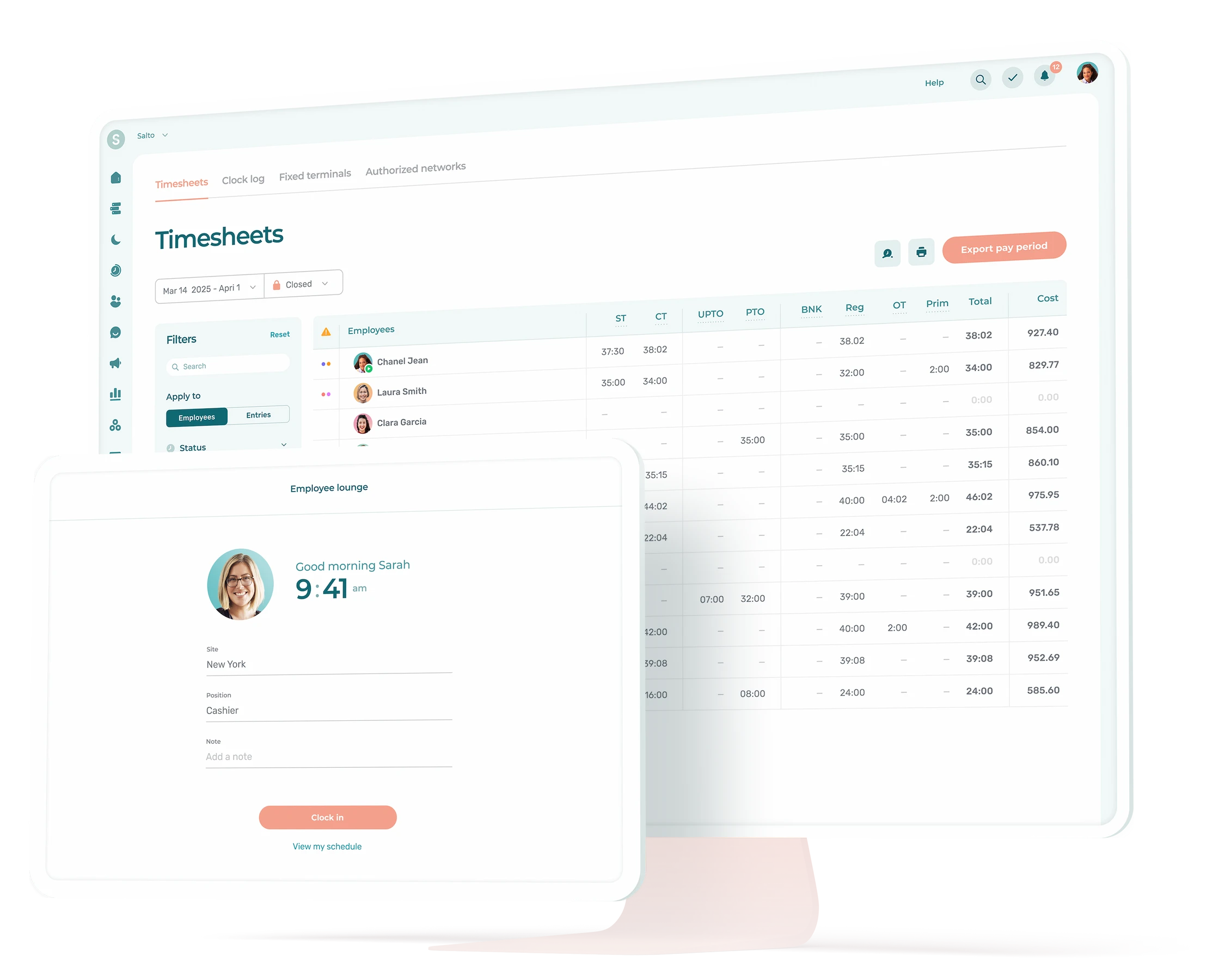
Attendance and punctuality are the easiest signal to track objectively, and the easiest to argue about later if you’re going on memory. If you already run time-tracking software, you’ve got that record without lifting a finger. For the softer dimensions, jot a quick note after a notable shift while it’s fresh. Keep everything in the employee record on a weekly basis. When the probation period comes to an end, it’ll be much easier to make your decision if you’re not sure.
One reframe worth holding onto: the goal isn’t to build a case for firing someone. It’s to figure out what they need to succeed, and give it to them. That mindset is also what genuinely helps you improve employee retention, because most of what you learn applies long after probation ends.
The mid-point check-in most managers skip
If you take one thing from this article, take this. Halfway through the probationary period, sit down with the new hire for fifteen minutes. Not a formal review. A check-in.
Cover three things:
- What’s going well. Be specific. “Your cash-outs balance every time” lands harder than “good job.”
- What needs to improve, clearly. If something’s off, this is the moment to say so, while there’s still time to fix it. Naming a problem at the final review for the first time is unfair to them and useless to you.
- What they need from you. More training on the POS? A clearer sense of priorities during a rush? Ask.
This single conversation does two jobs. It gives a struggling hire a real chance to turn things around, which is often all they need. And if things don’t turn around, it means the ending isn’t a shock, and you’ve got a documented, fair record that you flagged the issue and offered support.
A short pulse survey can round out the picture, especially if you want honest input on how the job and the team feel from their side. The feedback often surfaces fixable irritants before they become resignations.
How to extend a probationary period without making it worse

Sometimes you get to the end and you’re genuinely unsure. Extending can be reasonable, but do it carefully.
- Extend for a clear reason, and say what it is. “You’ve got the technical side, I want to see more consistency on busy weekends over the next month.” Vague extensions read as “we don’t know what we want,” and they erode trust fast.
- Put the extension in writing, with a new end date and specific goals.
- Know the ceiling. An extension doesn’t override statutory notice obligations that kick in after the service threshold in your province. Once someone crosses that line, you likely owe notice on termination no matter what the extended probation says.
If you find yourself wanting to extend a second time, that’s usually your answer.
How to end employment during probation, cleanly
If it’s not working, ending employment during probation is fair game, but easier is not the same as no process. Do it right and you protect the person’s dignity and your own exposure.
- Make sure the basics are in place. A valid probation clause in the signed contract, and a reason for the decision that has nothing to do with a protected ground.
- Check what you owe. Even in probation, your province may require some notice or severance pay depending on service length and the contract. Confirm before the conversation.
- Keep the record. Your notes, the mid-point check-in, any support you offered. This is what turns “we let them go” into “we assessed fairly and here’s the trail.”
- Deliver it in person, briefly and kindly. Be clear, be direct, don’t pile on.
Handled this way, a hire that didn’t work out doesn’t become a dispute. It becomes a clean close.
Building a simple probationary period policy
You don’t need a legal treatise. A workable probationary period policy fits on a page and answers the obvious questions before they come up:
- Length, by role or role type.
- What’s assessed, so it’s consistent and defensible.
- Check-in cadence (at minimum, the mid-point).
- What happens at the end: confirmed, extended, or ended, and who signs off.
- The clause itself in the employment contract, so the policy actually has teeth.
Apply it the same way every time. A policy you follow for one hire and skip for the next is worse than no policy, because the inconsistency is exactly what gets questioned later.
Storing the signed contract, the policy, and your notes in one place makes that consistency easy. Purpose-built HR software for small businesses keeps the paper trail together without turning it into a project.
Where Agendrix fits
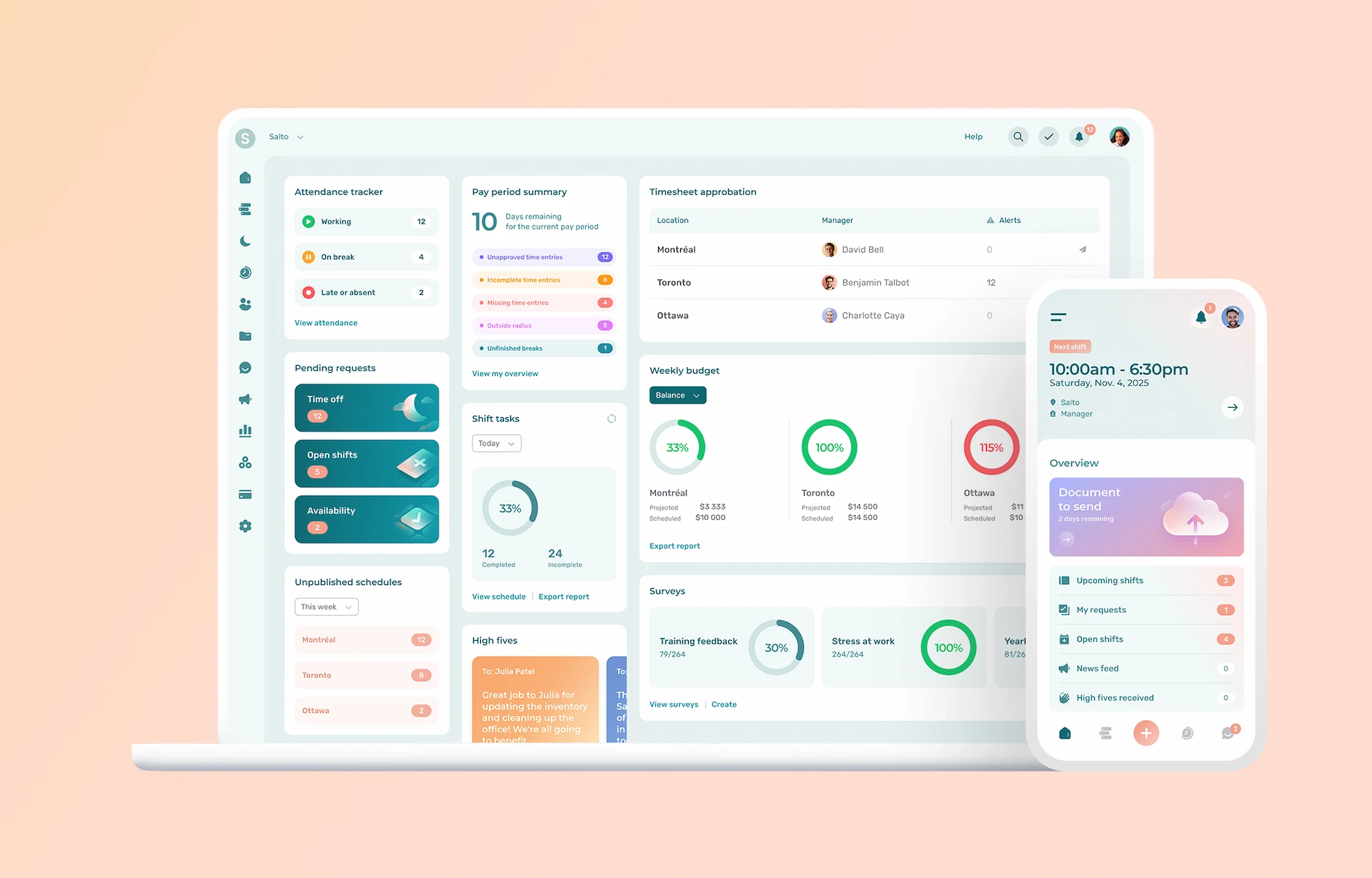
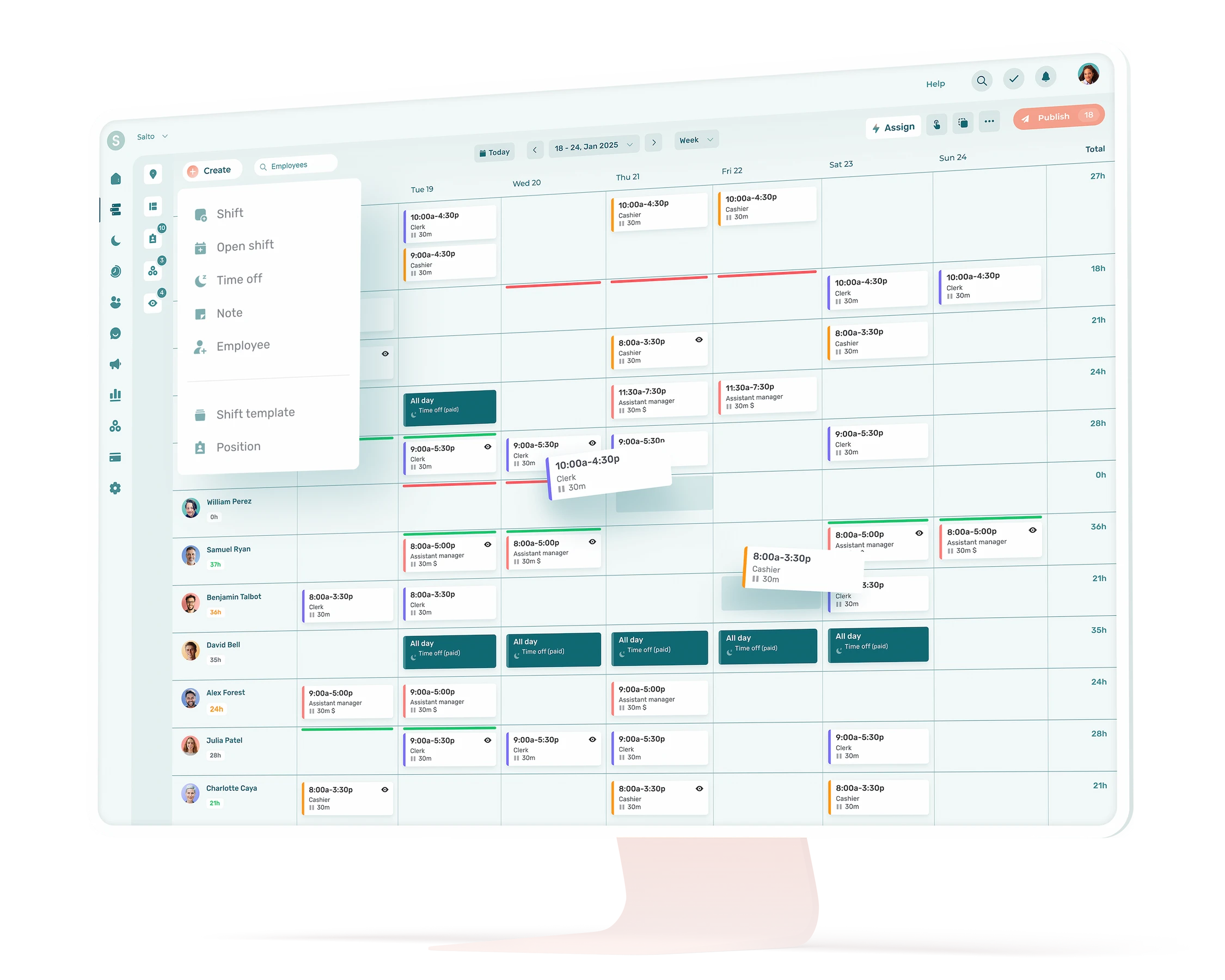
None of this requires software. But all of it gets easier with it, especially for a frontline manager already juggling with many hats.
- Onboarding: assign first-week tasks, collect the HR info you need, and get the contract (probation clause included) signed electronically, so probation starts on a clear footing.
- Day notes and records: log a quick observation after a notable shift, so your assessment is built from real moments, not end-of-period memory.
- Surveys: run a short check-in survey to hear how the job feels from the new hire’s side.
- Attendance: reliability data collects itself, giving you an objective read on the easiest thing to get wrong from memory.
The less time you spend chasing paper, the more you spend actually managing the people in front of you.
A trial run works both ways
Probation isn’t about keeping a firing on standby. It’s the clearest signal you send a new hire about what good looks like here, and the fairest way to find out early whether this is the right match. Set it with intention, check in halfway, and most of the time you won’t need the exit door at all.
What is a probationary period?
A probationary period is a defined stretch at the start of a job when the employer assesses whether a new hire suits the role, and the new hire assesses whether the job suits them. It typically comes with lighter termination requirements if things end early, but it is only valid when written into the employment contract.
How long should a probationary period be?
Probation period length should match the role. Simple frontline roles may only need a few weeks to assess reliability and attitude, while roles with a learning curve or real responsibility often warrant a few months. Set the length before the person starts and write it into the offer.
Do employees have rights during a probationary period?
Yes. Probationary employees keep their core protections, including anti-discrimination and human rights, pay for hours worked, and health and safety coverage, from day one. Probation can reduce the notice an employer owes if they end employment early, but it never allows an arbitrary or bad-faith dismissal.
How do you end employment during a probation period?
Confirm there’s a valid probation clause in the signed contract and that the reason isn’t tied to a protected ground, check what notice or pay your province requires for the person’s length of service, then deliver the news in person, briefly and respectfully, and follow up in writing. Keep your notes and any record of support you offered.
Can you extend a probationary period?
Usually yes, if you do it for a clear, stated reason and put the extension in writing with a new end date and specific goals. Be aware that an extension does not override the statutory notice obligations that begin once an employee passes the service threshold in your province.
Does a probationary period have to be in writing?
Effectively, yes. Without a clear probation clause in the employment contract, there is no enforceable probationary period, and ordinary termination rules can apply from the first day. A verbal understanding is not enough.
What should a probationary period policy include?
A solid probationary period policy states the length by role, what gets assessed, the check-in cadence, what happens at the end (confirmed, extended, or ended), and the actual clause in the employment contract. Keep it to a page and apply it the same way for every hire. A simple onboarding checklist pairs well with it.
What's the difference between a probationary and a permanent employee?
Most rights are identical. The practical differences are the assessment focus during probation and, in many provinces, shorter or no statutory notice on termination within the early service window. After an employee passes that window, standard notice obligations apply regardless of probation.