

Key takeaways
- Resistance to change is rarely a refusal: it’s a reaction to uncertainty, and your job as a manager is to reduce it.
- Change takes hold in steps: with a simple plan and clear communication from start to finish.
- A coworker’s example beats a directive: reluctant employees are more likely to come around when they see a peer making it work.
- A new tool is the most visible kind of change: the same method works for a routine, a schedule, or a procedure.
You announce something new to your team. Two people nod, one crosses their arms, and everyone goes quiet. This guide walks frontline managers through the change management process step by step, so your employees adopt a new way of working without feeling pushed.
The next change is coming fast: in Canada, 25.2% of businesses plan to use artificial intelligence over the next 12 months, up from 14.5% a year earlier (Statistics Canada, 2026).
What is the change management process?

The change management process is how you plan, announce, and support something new (a tool, a procedure, a schedule) so your team actually adopts it, instead of putting up with it or working around it. The big frameworks (Kotter, ADKAR, or Lewin, for example) each break it down in their own way.
In an SMB, change comes in all shapes and sizes: an opening procedure rewritten after an inspection, a tighter scheduling policy, a new split of tasks between shifts, a new POS system, two locations merging, a wave of seasonal hires to bring up to speed in two weeks, or a task you start handing off to artificial intelligence.
Very different situations, same challenge: it’s never the thing itself that causes friction. It’s what it asks people to do differently, and the bit of insecurity that comes with it. That’s why, in a shift-based SMB, execution matters more than theory. Your employees won’t read a 40-page transformation plan. They want to know one thing: what actually changes for me on Monday morning? Let’s call it the Monday morning test. If you can answer it in one clear sentence, you’re already halfway there.
Your one-page change management plan
Before you look at how to lead a change, take two minutes to prepare. These five questions are enough to tell whether you’re ready to go.
- The Monday morning test: what actually changes for employees, and what problem does it solve for them?
- Who are the two or three people who will test it first?
- How and when will I train the team, during a quiet stretch rather than in the middle of a rush?
- What’s the first visible win the team will feel quickly?
- How will I collect what’s not working and show that I’m acting on it?
If you’re missing an answer, you already know where to focus.
The change management process in 5 steps
The easiest way to understand it is to see it in action. Kevin runs a restaurant in Edmonton. After two mornings where the opening crew inherited the previous night’s cleanup, he decides to roll out a new closing routine: the same for everyone, every night. Here’s how he goes about it, and why each step matters.


1. Explain the why before the how
He doesn’t say, “Starting tonight, we have a new closing checklist.” He says, “We’re done starting our days by cleaning up after the night before.” The team understands the problem it solves for them, not just for the boss. People who close also open sooner or later, and everyone has started a shift washing dishes the previous crew left behind. He also passes the Monday morning test: everyone knows exactly what they’ll do differently at closing.
2. Involve the people who will apply it from the start
Two evening employees try the routine a week before everyone else. They cut two unnecessary steps Kevin had added and, more importantly, they become the people the team turns to with questions. Information flows peer to peer, not from the office to the floor.
3. Train for real, not in a hurry
No rushed explanation on a busy Friday night. He does the closing with the team the first time, when it’s quiet, and accepts that it’ll take longer the first few nights. That slowdown isn’t a failure. It’s the normal cost of learning.
4. Aim for a quick, visible win
From the very first opening, the morning crew walks into a kitchen that’s ready to go: no pots to scrub, no bins to hunt for. They start prep right away and open the doors on time, without rushing. That small, concrete relief sells the change better than any speech.
5. Adjust, and tell the whole team
After two weeks, an evening employee suggests leaving fridge restocking to the morning crew, since they receive the deliveries anyway. Kevin makes the change and, at the next team meeting, tells everyone the idea was hers. The team sees that their input actually changes things. The next time Kevin announces something new, it’ll get a warmer welcome.
Five steps, one logic: give a reason, involve, train, prove, adjust. Whether you’re changing software, a schedule, or an opening procedure, the change management steps stay the same.
Resistance to change: where it comes from and what to do
When an employee pushes back, you’ll often hear “they’re against change.” Most of the time, that’s not true. Resistance to change in the workplace is usually worry, hiding behind three questions employees don’t always ask out loud: Will I look like I can’t keep up? Will this make my job harder? Are they trying to keep tabs on me?
Resistance to change is rarely stubbornness. It’s uncertainty waiting for an answer.
The reflex to avoid is forcing it. For example, let’s say you impose a new tool on Danielle, your longest-serving employee, because “that’s how it is now.” You’ll put her on the defensive, and part of the team will follow her. She isn’t afraid of the tool itself: she’s afraid of becoming a beginner again after twenty years of being the one who knows everything.
What works comes down to three moves. Name the worry instead of ignoring it (“It’s normal for the same task to feel slower at first”). Give her a role in the transition instead of leaving her on the sidelines: ask her to test it, train others, and flag what’s not working. And let her see a coworker use it without any drama, because a peer is more convincing than a boss.
That’s usually where the surprise comes. Once the tool is in hand and the fear is gone, your most reluctant employees often become your best ambassadors.
On the floor: a change, as told by a manager

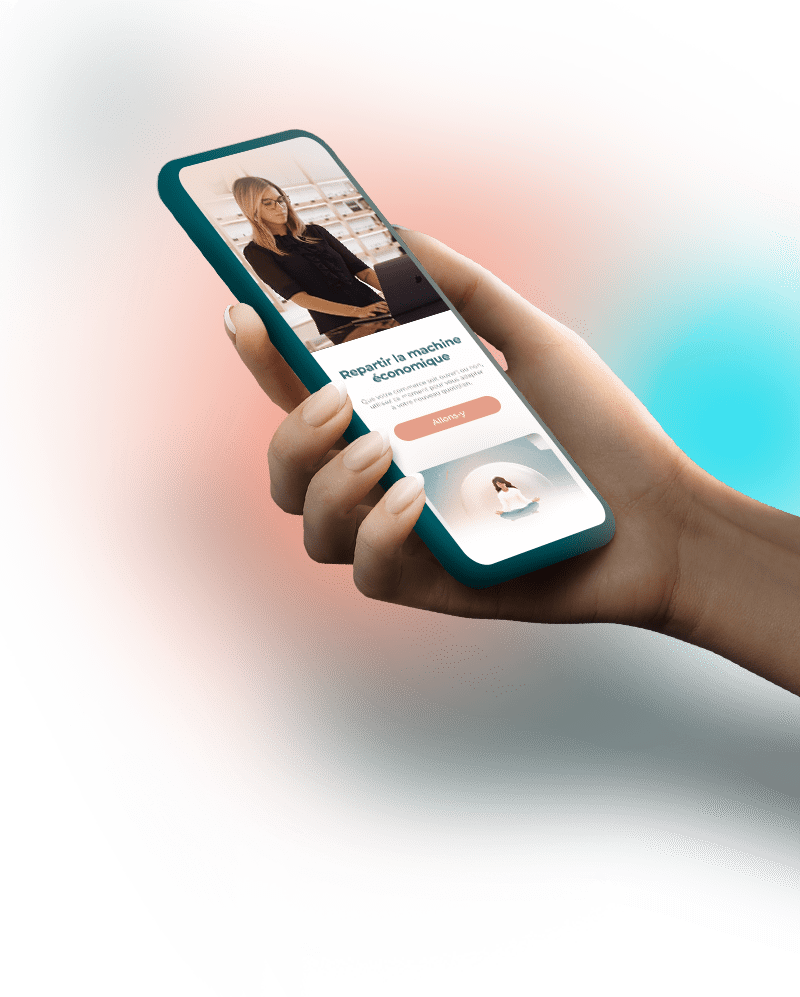
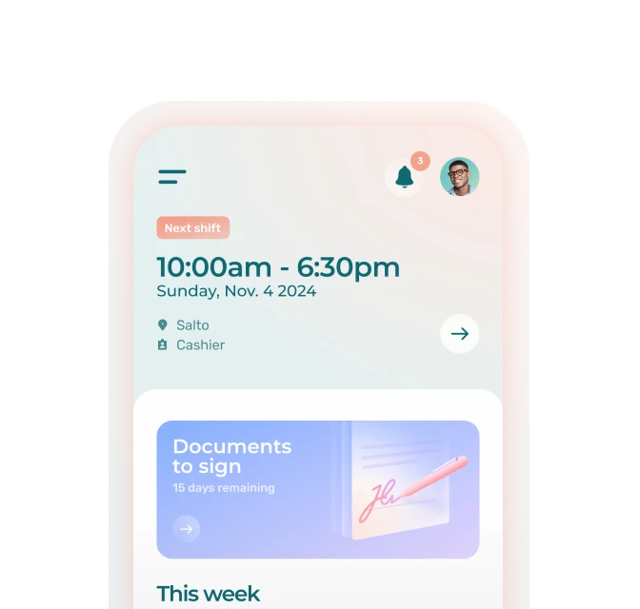
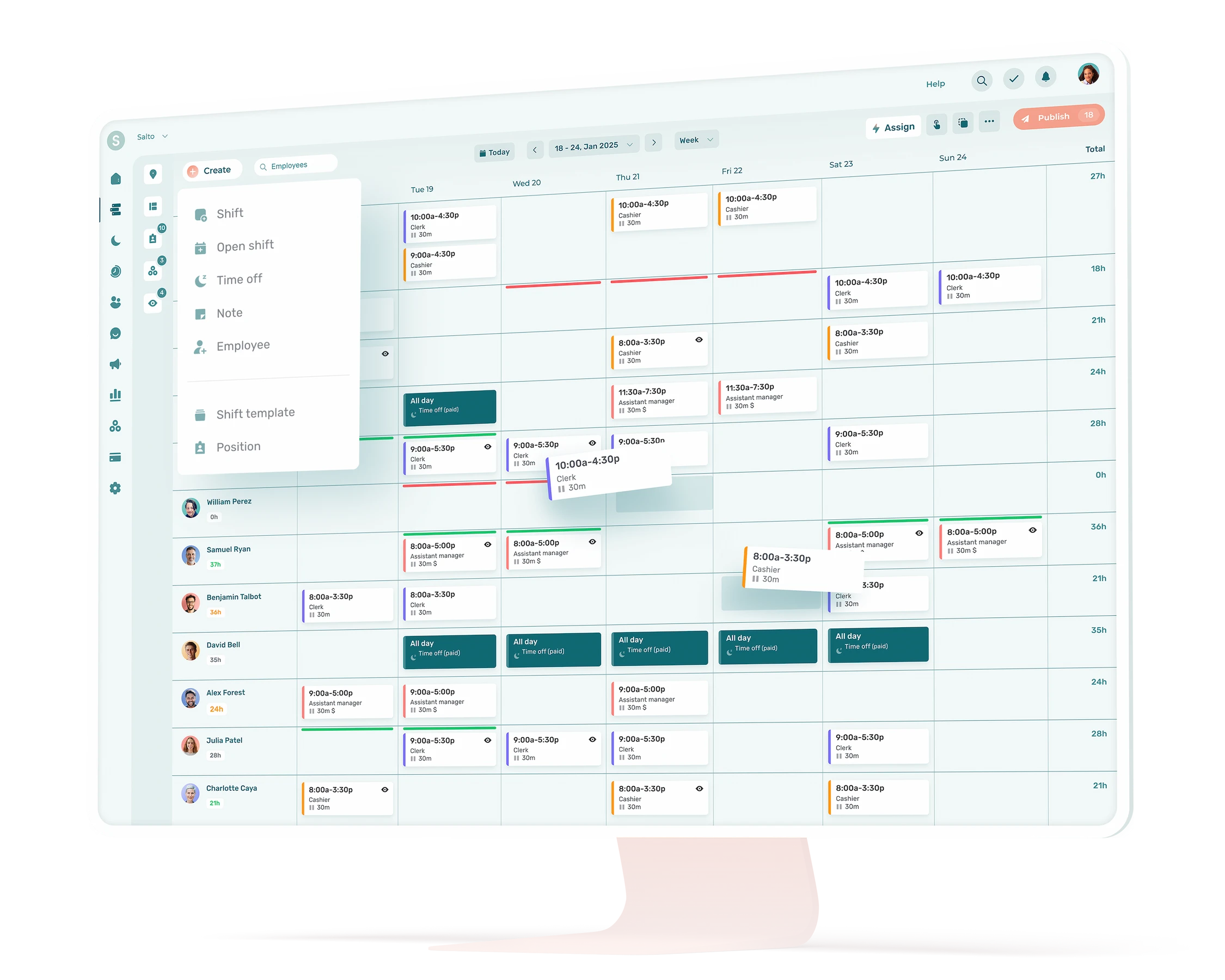
We asked a manager to tell us about a change she led with her team. For her, that change was adopting a new tool: Agendrix, an employee scheduling and workforce management app. Deciding to roll it out, then doing all the work to get the team on board, is change management.
At Rona Vimont Laval, a hardware store that’s been open for more than 50 years and was taken over by Lara May-Viger’s family, the multigenerational team has 35 employees. Some were reluctant to use technology. In short, the kind of team where a new tool could easily hit a wall.
That’s not what happened:
What first charmed us about Agendrix is its ease of use: it’s a very intuitive app. Even our employees who are reluctant to use technology quickly adopted it. It pleases all our employees, from 15 to 74 years old!
The point isn’t to sell you on the app. It’s that a well-led change holds up even where everything suggested it would hit a wall. Reluctant employees getting on board is the best sign that a transition was led, not just endured. Here’s hoping your next rollout goes the same way, whether it’s new HRIS software or a new routine.

Change is just another thing you manage
A frontline manager already manages change every day: an employee who quits, the seasons that turn, a supplier who delivers an order late. A new tool or a new way of working takes the same skill, applied with a little more intention. Next time, you won’t wonder how to get your team on board. You’ll know.
What is the change management process?
The change management process is the set of steps a manager follows to plan, announce, and support a change until the team adopts it. In an SMB, there’s rarely a dedicated change team: the frontline manager runs it, from the first announcement until the new way of working sticks.
What does change management mean for an SMB?
In an SMB, change management is less about big frameworks and more about execution on the floor. There’s rarely a dedicated change team: the frontline manager plans the change, explains it, and supports the team until the new way of working sticks. The main challenge is keeping everyone engaged throughout the transition.
What are the steps of the change management process?
The 5 steps of the change management process are:
- Explain the why before the how
- Involve the people who will apply it from the start
- Train for real, not in a hurry
- Aim for a quick, visible win
- Adjust, and tell the whole team
Classic models like Kotter or ADKAR follow the same logic in more detail.
What should a change management plan include?
For a small team, a one-page change management plan answers five questions:
- What actually changes for employees, and what problem does it solve for them?
- Who will test it first?
- When will you train the team (during a quiet stretch, not a rush)?
- What first win will they feel?
- How will you collect feedback and act on it?
How do you handle resistance to change in a team?
Resistance to change is rarely stubbornness: it’s uncertainty waiting for an answer. Treat it as a concern, not a refusal. Name what’s worrying the employee, give them a role in the transition, and let them see a coworker use the change without any problems. Forcing it is still the surest way to put the whole team on the defensive.
How do you get employees to adopt a new tool?
Announce the concrete benefit for them, not the decision. Have a few employees test the tool before everyone else, train without rushing, and aim for a quick, visible first win. Buy-in almost always follows the first concrete gain.
What is the Monday morning test?
It’s a question to ask yourself before announcing a change: what actually changes for each employee on Monday morning? If you can’t answer it in one clear sentence, your change isn’t ready to announce yet.
How do you announce a change to a team that works different shifts?
Announce it the same way to every shift, ideally in person at the start of the shift, and follow up with a written message everyone can reread in your internal communication tool. No one should hear about it from a coworker. Also name a go-to person on each shift to answer questions during the first few weeks.
What are the main change management models?
The best known are Kotter’s model (8 steps, from creating urgency to anchoring change in the culture), Prosci’s ADKAR model (5 individual stages: awareness, desire, knowledge, ability, reinforcement), and Lewin’s model (3 phases: unfreeze, change, refreeze). They all structure the same idea: prepare, support, and anchor the change. For an SMB, what matters is keeping the logic rather than applying a model to the letter.