
Psychosocial Factors: Why Psychological Safety Is Becoming a Key Responsibility for Managers in Canada


Key takeaways
- Psychosocial factors in the workplace directly affect employee performance, retention, and engagement.
- Across Canada, organizations are increasingly expected to address psychological health and safety at work, supported by national guidance such as the Government of Canada’s report on workplace psychological health.
- Structured management practices, clear communication, fairness, and predictability, help reduce psychosocial risks.
- The right tools and processes can support both compliance and employee well-being.
Psychosocial factors are becoming a central concern for organizations across Canada. As awareness grows around psychological health and safety, managers are increasingly expected to recognize and prevent workplace conditions that may harm employee well-being.
If I go back to 2010, I worked for several years in a restaurant. At the time, psychological safety in the workplace was far from a priority.

I remember a server whose phone had been confiscated and thrown across the room by a manager during a busy shift. No one really reacted; it was simply seen as a harsh way to enforce the rules.
I also remember uncomfortable situations with certain customers and feeling that management was more concerned about keeping customers happy than protecting the staff.
At the time, we didn’t have language to describe these situations. Today, many of them would clearly fall under what experts call psychosocial factors.
Our understanding has evolved. What used to be tolerated as part of the job is now recognized as a real risk to employee health and organizational performance.
Psychosocial Factors at Work: Definition and Impact on Organizations
What Are Psychosocial Factors?
Psychosocial factors are aspects of work design, organizational culture, or management practices that can affect employees’ psychological health.
Unlike physical hazards, psychosocial risks are often less visible. They can develop gradually through issues such as excessive workload, unclear expectations, unresolved conflict, or unfair treatment.
According to the Government of Canada, these factors can influence employees’ mental health, job satisfaction, and overall well-being.
🚨 Because they are closely tied to management practices, addressing psychosocial factors is largely a leadership responsibility.
💡In Quebec, Law 27 now requires employers to prevent psychological risks in the same way they would safety hasards. This includes workplace climate, harassment, and more.
The Link Between Psychosocial Factors and Psychological Safety
Psychological safety in the workplace refers to an environment where employees feel comfortable speaking up, asking questions, admitting mistakes, or raising concerns without fear of embarrassment or retaliation.
When psychological safety is low, psychosocial risks tend to increase. When it is strong, it acts as a protective factor.
It’s important to note that psychological safety does not mean eliminating all pressure or avoiding difficult conversations.
Instead, it means creating a workplace where expectations are clear, respect is non-negotiable, and communication is open.
Organizations that prioritize psychological health and safety often see tangible benefits:
- Improved performance
- Higher levels of innovation
- Better retention
- Fewer costly mistakes
Ultimately, management practices play a central role in shaping this environment.
Why Psychosocial Factors Are Becoming a Workplace Responsibility in Canada
Across Canada, the importance of psychological health and safety has gained significant recognition.
One of the key references is the National Standard of Canada for Psychological Health and Safety in the Workplace, developed by the Mental Health Commission of Canada.
This framework identifies organizational factors that influence mental health at work and encourages employers to proactively assess and manage them.
Organizations are increasingly expected to:
- Identify psychosocial factors in the workplace
- Implement preventive measures
- Address problematic situations early
- Demonstrate a proactive approach to employee well-being in the workplace
Ignoring these issues can lead to complaints, absenteeism, turnover, and reputational damage.
In this context, strengthening psychological safety in the workplace becomes a practical way to reduce psychosocial risks.
Common Psychosocial Factors in the Workplace
Several workplace conditions are commonly associated with psychosocial risks.
1. Harassment
Repeated behaviours, comments, or attitudes that humiliate or undermine an employee.
Example (restaurant)
A manager repeatedly criticizes a server publicly during service, creating a humiliating environment.
2. Workplace Violence
Threatening or aggressive behaviour from colleagues, supervisors, or customers.
Example (retail)
A customer verbally abuses an employee while management fails to intervene or support the worker.
3. Excessive Workload
A workload that consistently exceeds employees’ capacity.
Example (multi-location business)
Managers regularly schedule minimal staff to reduce costs, forcing employees to perform multiple roles simultaneously.
4. Lack of Autonomy
Employees have little control over how their work is performed.
Example (service industry)
Schedules are changed frequently without consultation, and employees have no input into availability.
5. Role Ambiguity
Unclear expectations or conflicting instructions from supervisors.
Example (restaurant)
Employees receive contradictory instructions from the manager and assistant manager.
6. Unresolved Conflict
Tensions between employees that persist without intervention.
Example (retail)
Two team members regularly argue over responsibilities while management avoids addressing the issue.
7. Lack of Recognition
Employees’ efforts are rarely acknowledged.
Example (restaurant)
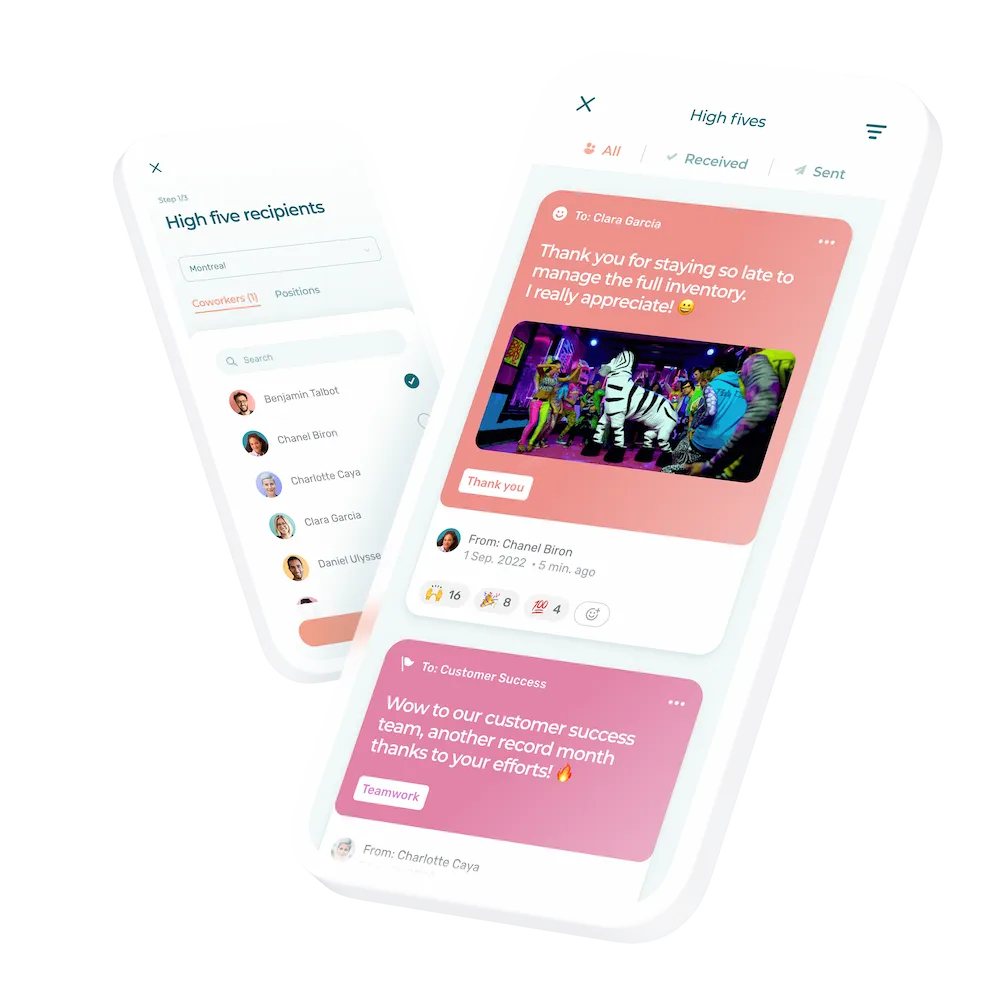
After an exceptionally busy week, no recognition or appreciation is expressed to the team. Many of these risks emerge not from isolated incidents, but from unclear processes and inconsistent management practices.
8. Perceived Unfairness
Inconsistent decisions that appear arbitrary.
Example (small business)
Certain employees always receive their requested days off while others are repeatedly denied without explanation.
Management Practices That Weaken Psychological Safety
Psychosocial risks rarely appear overnight. More often, they develop gradually through everyday management decisions that seem minor at the time but accumulate over weeks or months.
When expectations are unclear, communication is inconsistent, or decisions appear unfair, employees may begin to feel unsafe speaking up or raising concerns.
Over time, these small signals can erode psychological safety in the workplace and increase exposure to psychosocial factors.
1. Unpredictable Scheduling
Frequent last-minute changes to schedules can create instability and stress.
Example
In a restaurant or retail environment, employees may receive their schedule only a day or two in advance, or shifts may be changed during the week without explanation. Over time, this unpredictability can make it difficult for employees to plan their personal lives and may lead to frustration or disengagement.
2. Informal and Fragmented Communication
Important information shared through scattered channels increases confusion and perceived unfairness.
Example
A supervisor verbally approves a shift swap for one employee, while another manager later rejects it because the request was never documented. Situations like this can create confusion and perceptions of unfair treatment.

3. Inconsistent Decision-Making
Applying rules differently for different employees undermines trust.
Example
One employee’s request for time off is approved immediately, while another employee’s request is denied without explanation. Even if the decision has a valid reason, the lack of transparency can damage morale.
4. Lack of Transparency
When managers make decisions without explaining the reasoning behind them, employees often fill the information gap with assumptions.
Example
A team member is promoted without any explanation to the rest of the team. Without clear communication about the criteria or process, rumours can quickly spread and resentment may build.
5. Absence of Clear Processes
Employees may hesitate to report issues if they don’t know how.
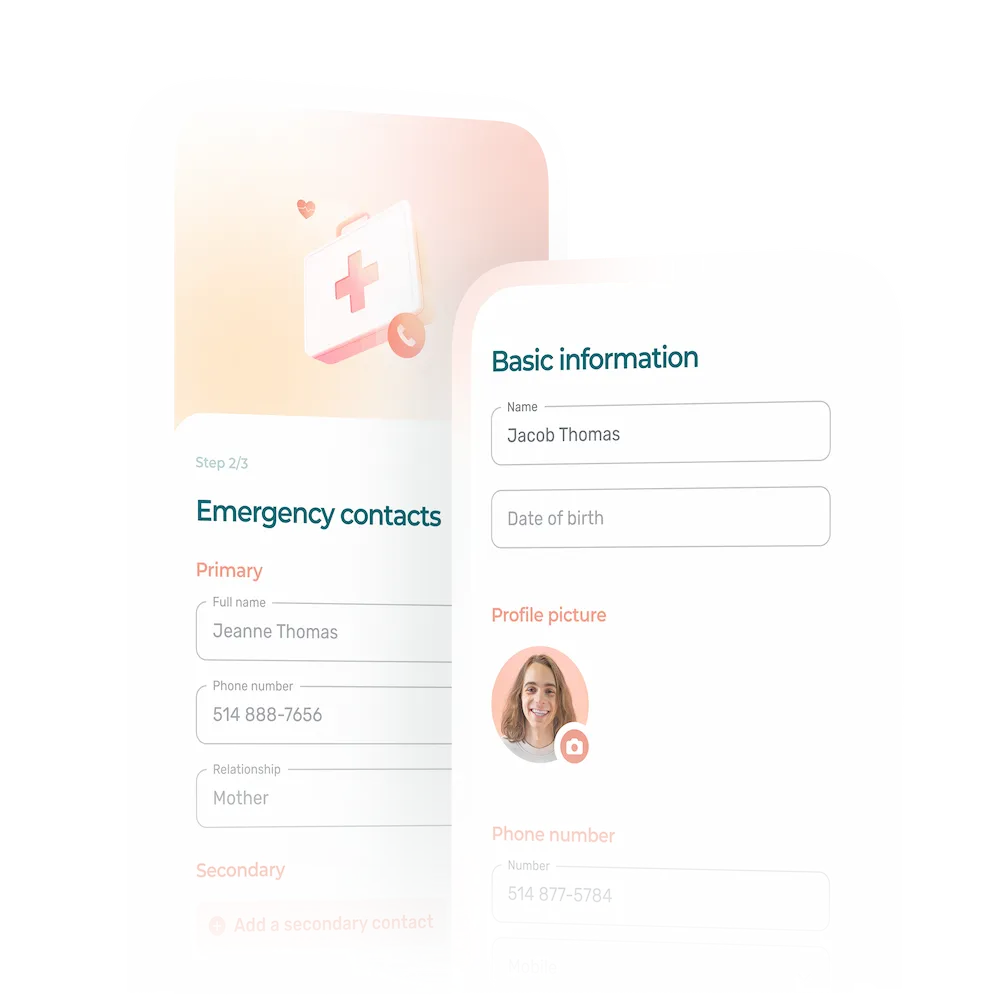
Using dedicated tools to store policies and team documents, such as employee records, internal guidelines, and codes of conduct, can help make expectations clear and accessible.
Example
If an employee experiences a conflict with a coworker or a problematic interaction with a customer but doesn’t know where to report it—or fears it won’t be taken seriously—the issue may remain unresolved and escalate over time.
Providing clear policies and accessible documentation can help address this issue. Many organizations now use dedicated tools to centralize team documents, employee records, and workplace policies so employees know where to find reliable information.
6. Micromanagement
Excessive control over employees’ work can reduce autonomy and signal a lack of trust. Overly controlling supervision reduces autonomy and engagement.
Example
A manager constantly monitors employees, corrects minor mistakes publicly, or requires approval for every small decision. Over time, this can discourage initiative and make employees hesitant to speak up.
7. Tolerance of Disrespectful Behaviour
Ignoring inappropriate comments or tension sends a message that such behaviour is acceptable.
Example
If sarcastic remarks, jokes at someone’s expense, or aggressive communication are never addressed, they can gradually become normalized within the team.
8. Poor Workload Distribution
Relying on the same employees repeatedly without adjusting resources can lead to burnout.
Example
In a busy service environment, the most experienced employees are often asked to handle the busiest sections or the most demanding customers. Without recognition or rotation, this can create long-term stress.
9. Reactive Management
Only addressing issues once conflicts escalate increases the risk of serious workplace problems.
Preventive structures are almost always more effective, and less costly, than crisis management.
Example
Two employees experience ongoing tension for months, but the issue is only addressed once a formal complaint is filed. At that stage, the situation may already have damaged team dynamics.
In contrast, preventive practices, such as regular team check-ins, clear communication policies, and early conflict resolution, help address problems before they escalate.
Preventive structures are almost always more effective, and far less costly, than crisis management.
How to Prevent Psychosocial Factors in Daily Management
Preventing psychosocial risks is largely about creating structure and clarity.
- Clarify Expectations: Employees should clearly understand workplace policies, responsibilities, and procedures.
- Centralize Communication: Using one official channel for schedules, announcements, and updates reduces confusion.
- Ensure Fairness: Managers should apply consistent criteria when making decisions.
- Create Predictability: Publishing schedules in advance and maintaining stable processes helps reduce stress.
- Document Key Decisions: Recording requests, actions taken, and follow-ups helps demonstrate responsible management practices.
Psychological safety in the workplace thrives in environments where structure replaces improvisation.
How Tools Like Agendrix Can Support Prevention
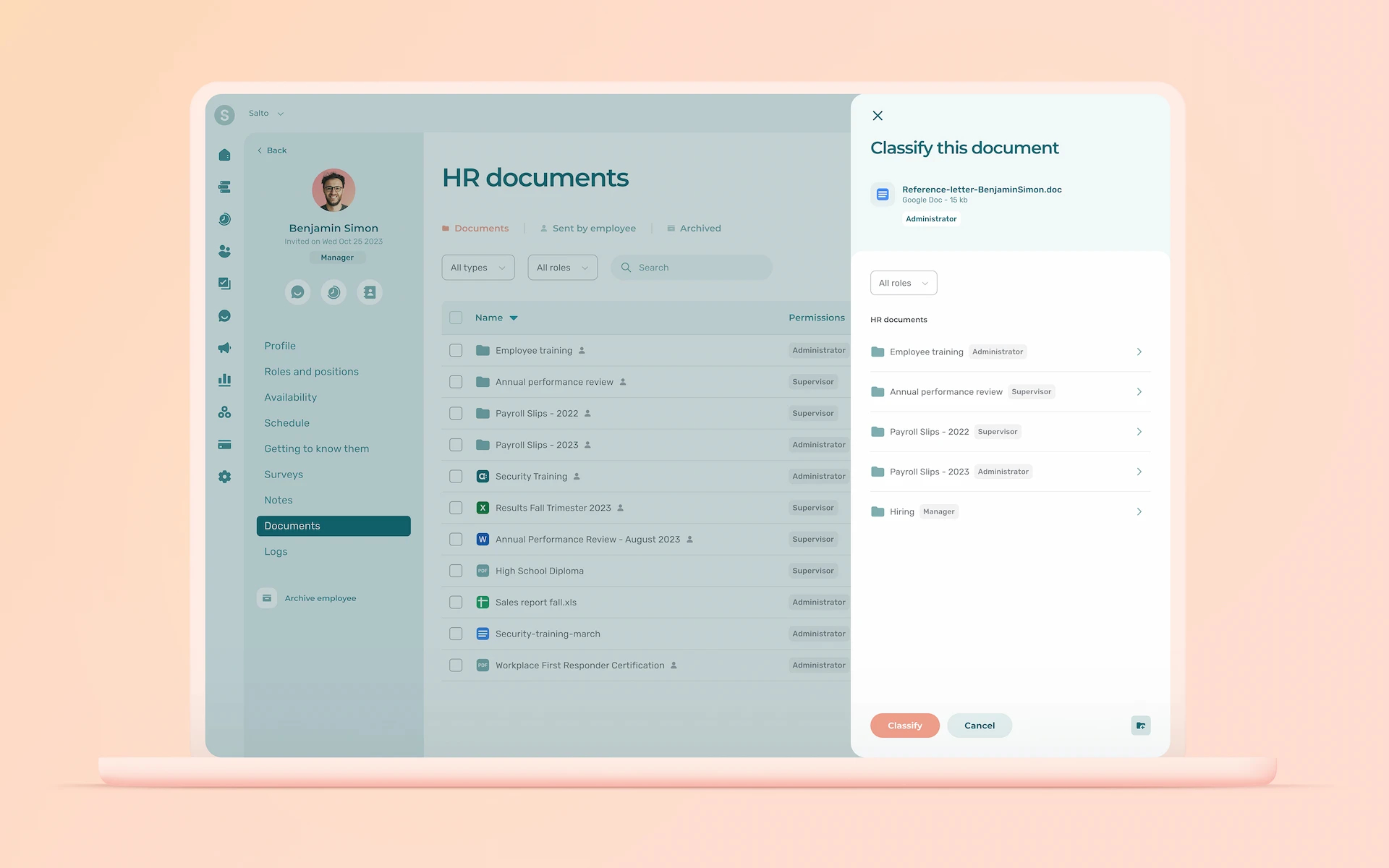
Structured workforce management tools can help organizations reduce psychosocial risks by supporting transparent processes.
They can help teams:
Centralize communications
All team members access information in one place, which reduces misunderstandings and ambiguity.


Track decisions
Leave requests, shift replacements, and schedule changes are recorded. When a question or complaint comes up, the history is there.
Apply rules consistently
Standardized processes limit improvised decisions and perceptions of favouritism.

Build predictability into scheduling
Structured schedule management reduces last-minute changes and overload.
Demonstrate a proactive prevention approach
Implementing tools that support clarity, fairness, and documentation helps show that a structured approach is in place.
When a Complaint Is Raised: How Managers Should Respond
1. Listen Without Dismissing
Take concerns seriously and avoid quick judgments.
📖 Read our Active Listening article.
2. Document the Situation
Record dates, individuals involved, and the nature of the concern.
3. Follow Established Procedures
Use internal policies and complaint processes.
4. Take Proportionate Action
Actions may include mediation, schedule adjustments, or internal investigation.
5. Provide Follow-Up
Communicate next steps while respecting confidentiality.
🚨 Handling complaints with structure strengthens both employee trust and managerial credibility.
Demonstrating Reasonable Measures
Organizations should be able to demonstrate that they actively manage psychosocial factors.
This may include:
- Written policies addressing workplace conduct
- Consistent enforcement of rules
- Documentation of interventions
- Preventive measures and training
- Clear decision-making processes
Demonstrating due diligence does not mean conflicts never occur. It means the organization has structured practices in place to prevent and address them.
Managing Psychosocial Factors: A New Leadership Responsibility
Psychosocial factors are no longer an abstract concept. They are part of modern management responsibilities.
By strengthening psychological safety in the workplace and structuring their management practices, leaders can reduce risk while building healthier, more resilient teams.
In today’s workplace, prevention is not only good for compliance, it’s also a powerful driver of performance.
What are psychosocial factors in the workplace?
Psychosocial factors are aspects of work design, organizational culture, and management practices that can affect employees’ psychological health, safety, and well-being. They may include excessive workload, unclear expectations, unresolved conflict, unfair treatment, poor communication, or lack of recognition. Canadian guidance recognizes that these factors can directly influence employee mental health, job satisfaction, and organizational outcomes.
What is psychological safety at work?
Psychological safety at work refers to an environment where employees feel able to speak up, ask questions, report mistakes, seek feedback, or raise concerns without fear of embarrassment, retaliation, or damage to their job or career. The Canadian Centre for Occupational Health and Safety notes that psychologically safe workplaces also take reasonable steps to minimize threats to employee mental health.
What is the difference between psychosocial factors and psychological safety?
Psychosocial factors are the workplace conditions that can either support or harm employee mental health. Psychological safety is the outcome employees experience when those conditions are managed well. In practice, strong psychological safety helps reduce psychosocial risk, while poor management practices can increase it. This aligns with Canadian guidance that connects workplace factors, psychological protection, and organizational performance.
Why are psychosocial factors becoming a bigger responsibility for managers in Canada?
Psychosocial factors are becoming a bigger management responsibility because Canadian guidance increasingly treats psychological health and safety as part of good workplace management, hazard prevention, and organizational performance. The Government of Canada recommends that employers assess workplaces for both physical and psychological hazards, while national guidance also identifies practical strategies such as clarifying roles, managing workloads, resolving conflict, and recognizing contributions.
Is psychological health and safety a legal requirement in Canada?
Across Canada, the legal picture varies by jurisdiction and sector, so employers should avoid assuming the same rule applies everywhere. However, Canadian government guidance clearly states that employers should assess workplaces for psychological as well as physical hazards, and the National Standard of Canada for Psychological Health and Safety in the Workplace provides a widely used voluntary framework for doing so systematically.
Is the National Standard of Canada for Psychological Health and Safety in the Workplace mandatory?
No. The Mental Health Commission of Canada describes the Workplace Standard as a set of voluntary guidelines, tools, and resources intended to help organizations promote mental health and prevent psychological harm at work. Even so, it is widely used across Canada as a practical reference point for prevention and continuous improvement.
What are common psychosocial factors at work?
Common psychosocial factors include excessive workload, lack of role clarity, poor communication, unresolved conflict, lack of recognition, unfair decision-making, low autonomy, disrespectful behaviour, harassment, and workplace violence. Canadian workplace mental health guidance also emphasizes the importance of manageable workloads, respectful behaviour, conflict resolution, employee participation, and clear responsibilities.
How can managers reduce psychosocial risks in day-to-day operations?
Managers can reduce psychosocial risks by creating structure and predictability in daily work. High-impact actions include clarifying responsibilities, managing workloads, supporting employee participation, using consistent communication channels, addressing conflict early, and recognizing employee contributions. These practices are directly reflected in Government of Canada guidance on psychologically healthy workplaces.
How does psychological safety affect performance and retention?
Psychological safety can improve team learning, involvement, morale, and performance, while reducing stress-related illness, grievances, conflicts, and liability risks. Canadian guidance also links psychologically healthy workplaces with better engagement, satisfaction, productivity, retention, and recruitment, and lower absenteeism and health-related costs.
What should a manager do when an employee raises a psychosocial concern?
A manager should take the concern seriously, listen without dismissing it, document the situation, follow internal procedures, and take proportionate action while respecting confidentiality. Canadian guidance also supports having clear incident-reporting and conflict-resolution systems in place, rather than relying on informal or reactive management.
How can employers demonstrate reasonable steps to address psychosocial factors?
Organizations can demonstrate reasonable steps by using written policies, documenting key decisions and interventions, establishing reporting and conflict-resolution processes, assessing workplace culture, and taking preventive action before issues escalate. The national Workplace Standard also emphasizes a documented and systematic approach to developing and sustaining a psychologically healthy and safe workplace.
Can workforce management tools help prevent psychosocial risks?
Yes. Tools that support clear scheduling, centralized communication, documented requests, accessible policies, and consistent decision-making can help reduce confusion, perceived unfairness, and preventable conflict. While tools do not replace management judgment, they can support the structure and predictability that Canadian guidance associates with healthier workplaces.