

Key takeaways
- Set the time-off rules before you hire. Blackout dates and request deadlines announced on day one prevent most conflicts during peak business time.
- Collect availability at the interview, not after. Ask about your own peak days (Black Friday weekend for a store, December Friday and Saturday nights for a restaurant) before you hire.
- Train on slow weekdays. A rookie’s first shift should never be the busiest Saturday of the year.
- Check stat holiday eligibility for late hires. In BC and Alberta, a seasonal employee hired in late November usually won’t qualify for Christmas holiday pay. Ontario and Quebec have no minimum service requirement.
- Plan the exit before the last shift. Your best seasonal employees already know your POS, your regulars and your busiest shifts. Keep their availability on file, and your next rush (March break, summer, inventory week) starts with a phone call instead of a job ad.
Seasonal hires, time-off requests and multiple stat holidays, all landing in the same five weeks. Here’s a holiday scheduling countdown that tells you what to settle now, so December runs on a plan instead of on your phone.
Black Friday, Christmas Eve, Boxing Day, New Year’s Eve: for most businesses in retail and hospitality, the busiest days of the year arrive back to back, in a sprint of just over a month. The usual reflex is to post a job ad in mid-November and hope for the best. But the candidates are already looking.
In September 2026, about 1 in 8 young Canadians who wanted to work couldn’t find a job, according to Statistics Canada.
They’re the students and part-timers who fill a lot of holiday rush shifts, and the first manager to call back usually gets them.
So we built a holiday scheduling countdown in five checkpoints. Each one takes an afternoon. Do them now, and by mid-December your biggest scheduling problem will be who gets the last shift before Christmas.
Your 2026 holiday calendar
| Date | Day | What happens | Stat holiday? |
|---|---|---|---|
| November 27 to 30 | Friday to Monday | Black Friday to Cyber Monday | No |
| December 11-12 and 18-19 | Fridays and Saturdays | Last two Fridays and Saturdays before Christmas | No |
| December 24 | Thursday | Christmas Eve | No |
| December 25 | Friday | Christmas Day | Yes, in every province |
| December 26 | Saturday | Boxing Day | Ontario: yes BC and Quebec: no Alberta: optional |
| December 31 | Thursday | New Year’s Eve | No |
| January 1, 2027 | Friday | New Year’s Day | Yes, in every province |
Checkpoint 1: Lock your time-off rules before you hire
It sounds backwards, but the time-off rules come first. Your regular team is already planning December. If you hire six seasonal employees and then announce a blackout period, you’ll spend the next three weeks renegotiating.
Start by naming your peak days. Not “December,” but the actual dates: Black Friday weekend, the last two Fridays and Saturdays before Christmas, December 24, Boxing Day and New Year’s Eve.
Those are your blackout dates. Everything else is open, with a clear request deadline (for example, November 15).
Then pick one tie-breaker and stick to it:
- Seniority: simple, but your newest people never get Christmas off.
- Rotation: whoever worked Christmas last year gets first pick this year.
- First come, first served: fast, but it rewards whoever checks their phone first.
Rotation is usually the fairest for teams that stay together year to year. Whatever you choose, write it down and post it before the first seasonal interview.
💡 Not sure how many extra people you actually need? Start from your sales or traffic per hour, not last year’s headcount. Our guide on understaffing vs. overstaffing walks through the math.
Checkpoint 2: Hire your holiday rush team in one day, not three weeks
Seasonal hiring is a speed game. Candidates looking for holiday work apply to several places at once, and the first employer to call back usually wins.
That’s why a speed interview day works so well. Pick one weekday afternoon in the next two weeks. Book 15-minute slots. Post the date in your ad, on your door and on your social pages. Candidates show up, you meet ten people in three hours, and you make offers on the spot.
🛍️ Andrea runs a toy store in Kingston. Last year, she spent three weeks trading emails with candidates and lost two of them to the mall. This year, she held one hiring afternoon on a Tuesday and filled four positions before the end of the day.
The interview itself has one job: confirm availability for the days that matter most to your business. Ask about your own peak days (Black Friday weekend for a store, Cyber Monday week for a warehouse, December Fridays and Saturdays for a restaurant) before you make an offer.
A candidate who can’t work any of them isn’t a holiday hire, however good the interview went. Write their answers into their availability right away, so they’re already in your employee scheduling software on day one.
A seasonal hire who can’t work your busiest days isn’t extra help. It’s just an extra name on the schedule.
For contracts, pay and the rights of seasonal workers, our seasonal hiring guide for summer covers the essentials. Different seasons, same basics.
Checkpoint 3: Train on the slow days
Early November is quiet for most retail and food service teams. That’s your training window, and it closes fast.
The rule is simple: no new hire works a peak day alone before they’ve done at least two regular shifts. Schedule those first shifts on a Tuesday or Wednesday, paired with an experienced colleague. Call them buddy shifts and put them on the schedule like any other shift: training time is work time, so it’s paid.
🍽️ Mike manages a restaurant in Kelowna that books office parties every weekend in December. His new servers spend their first two shifts shadowing on weeknights. By the first party on December 4, they know the floor plan, the menu and pairings, the POS, and which regulars want the corner table.
Keep the training focused on what the rush actually demands:
- The one task they’ll do most. Cash, bussing, packing orders or restocking.
- Where to find help. Who’s the go-to person on each shift.
- The basics that can’t wait. Safety rules, the clock-in process, break times.
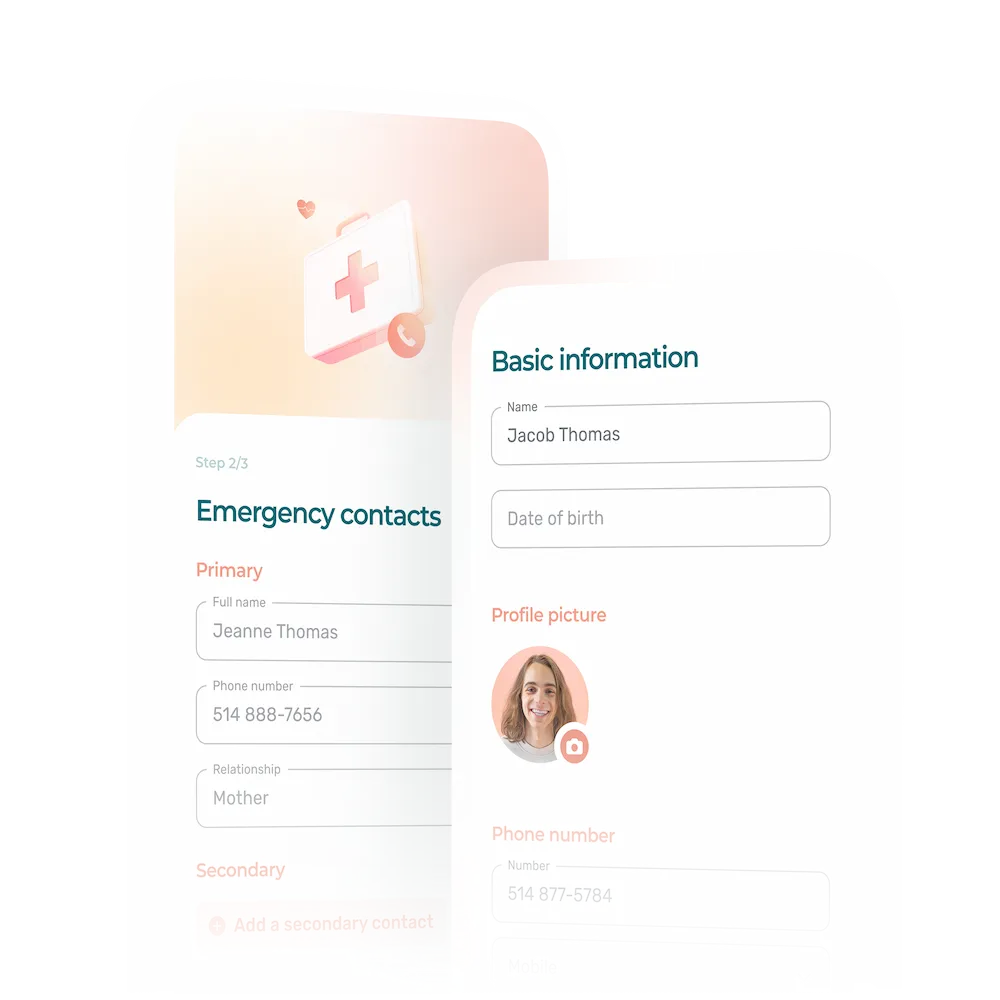
Paperwork shouldn’t eat into that time either. Contracts, emergency contacts, must-read policies, and direct deposit info can be collected online before day one with HR software for small businesses, so the first shift is spent on the floor, not in the back office.
Checkpoint 4: Build your holiday scheduling plan around the stat holidays
Two or three statutory holidays land in the rush, depending on your province: Christmas Day (Friday), Boxing Day (Saturday) and New Year’s Day (Friday). Each one changes who you can schedule, what it costs and who qualifies for holiday pay. Post your holiday roster by December 1, so nobody finds out on the 21st when they’ll be working during the holidays.
Ontario: the rules most managers will deal with
In Ontario, Christmas, Boxing Day and New Year’s Day are all public holidays. Three things to plan for:
- No minimum service. A seasonal employee hired in mid-December can still qualify, as long as they work their last scheduled shift before the holiday and their first one after, unless they have a reasonable cause.
- Boxing Day falls on a Saturday this year. For employees who don’t normally work Saturdays, the holiday doesn’t disappear. They’re owed a substitute day off with holiday pay (or the pay itself, if you agree in writing).
- Working the holiday costs more. Employees who work it are owed premium pay or a substitute day off. Budget for it before you decide how many people you need on December 26.
The exact formulas, including the Ontario vacation pay detail most people miss, are in our guide to stat holiday pay in Canada.
Outside Ontario: check your own province
Rules change at every border, and Boxing Day is the best example. Here’s how late hires fare in three other provinces:
| Province | Boxing Day a stat holiday? | Can a late seasonal hire qualify for Christmas holiday pay? |
|---|---|---|
| British Columbia | No | Only if employed 30 calendar days and paid on 15 of the 30 days before the holiday. In practice: hired by November 25 at the latest, then working about every other day. |
| Alberta | Optional | Only after 30 days of work with you, and only if Christmas falls on a day they normally work. A full-timer hired after mid-November won’t make it. |
| Quebec | No | Yes, no minimum service, as long as they aren’t absent without reason the day before or after. Full rules in our Quebec public holidays guide. |
In British Columbia, a seasonal hire qualifies for Christmas holiday pay only after 30 calendar days on the job and pay on 15 of the 30 days before it. Your hiring date is also a payroll decision.
Every other province and territory has its own list. Check yours in our statutory holidays by province reference before you build the roster.
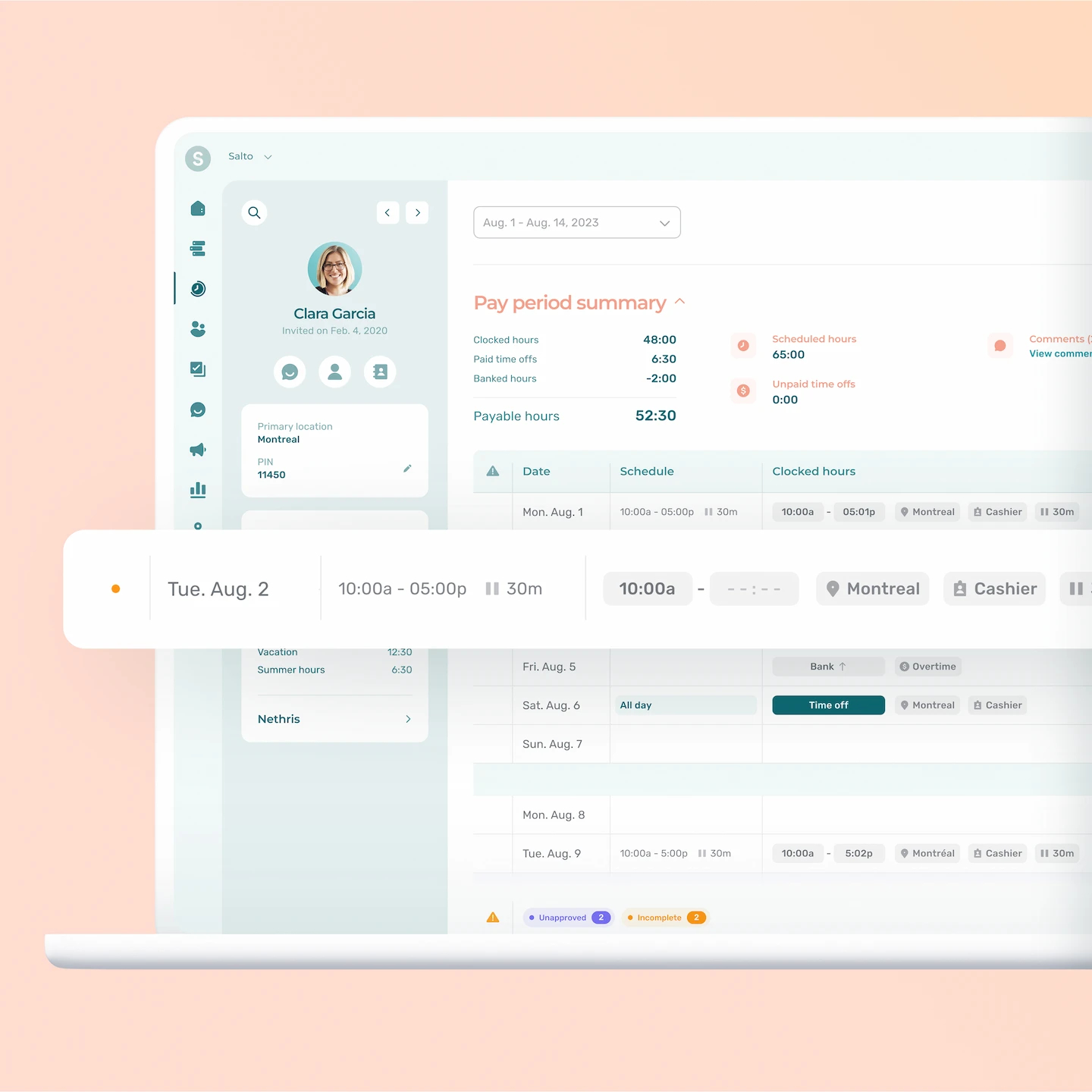
One last trap: the New Year’s Eve shift that ends at 2 a.m. on January 1. Only the hours after midnight fall on the holiday, so your clock-in data needs to split them correctly. Time and attendance software records the exact punch times and saves you from rebuilding that night by hand.

Checkpoint 5: Plan the exit while the season is still running
Most holiday staffing plans stop on December 26. That’s a missed opportunity. The seasonal employees who showed up, learned fast and never left a shift uncovered are the easiest hires you’ll ever make again.
📦 Ophelia supervises a parcel warehouse in Red Deer, Alberta. In mid-December, she flags her strongest seasonal packers and asks each one a single question: “Want to stay on our call list for spring and next fall?” Most say yes. Her next peak starts with a list instead of a job ad.
Before the last shift, cover three things:
- The end date, in writing. Confirm it a week ahead, so nobody is surprised.
- Final pay, done right. Seasonal employees are owed their vacation pay on their last cheque, like anyone else.
- A two-minute debrief. Ask what slowed them down. They saw your operation with fresh eyes, under pressure.
The ones you’d hire again go on a short list with their availability attached. When the next rush comes around, you skip the job ad and start with people who already know the job.
December is decided in October
The holiday rush isn’t managed in December. It’s managed now, while you still get to choose instead of react. Make the first call this week, and in December you will be grateful you got a head start.
Build your holiday schedule in minutes, not evenings.
What are the busiest days of the holiday rush?
For most retail, restaurant and logistics teams in 2026, the peak dates are Black Friday to Cyber Monday (November 27-30), the last two Saturdays before Christmas (December 12 and 19), Christmas Eve (Thursday, December 24), Boxing Day (Saturday, December 26) and New Year’s Eve (Thursday, December 31). Christmas Day and New Year’s Day are statutory holidays in every province, while Boxing Day is a stat holiday in Ontario but not in British Columbia or Quebec. Build your holiday scheduling plan around these dates first, then fill the quieter days.
When should I start hiring for the holiday rush?
Ideally in October, about six weeks before Black Friday. That leaves a week or two to interview and hire, then two weeks of training on quiet weekdays before the first peak day. Post in mid-November and your rookies will likely work Black Friday untrained.
What's the best way to handle holiday scheduling for seasonal employees?
Start with their availability for your peak dates, collected at the interview. Schedule their first two shifts on quiet weekdays alongside an experienced colleague. Only then add them to peak days, mixed with your regular team rather than grouped together.
Can I refuse time-off requests in December?
In Ontario, yes: under the Employment Standards Act, the employer has the right to schedule vacation, as long as earned vacation is taken within 10 months of the year it was earned. That makes a December blackout period legitimate, provided it’s applied the same way to everyone. Announce the blackout dates before you hire, so seasonal employees know them from day one.
Does a seasonal employee hired in November get Christmas holiday pay?
It depends on the province. In Ontario and Quebec, there’s no minimum length of service: what counts is working the scheduled shifts around the holiday. In British Columbia, the employee needs 30 calendar days on the job and pay on at least 15 of the 30 days before the holiday. In Alberta, they need 30 workdays with you in the 12 months before it.
How many seasonal employees do I need?
Work from your expected traffic or sales per hour on peak days, not from last year’s headcount. Compare it with what one trained employee can handle per hour, then add a buffer for absences. Hiring one or two more than the math says is cheaper than running short on Boxing Day.
What should training cover for a holiday hire?
Focus on the one task they’ll do most, who to ask for help on each shift, and the basics: safety rules, clocking in and break times. Two buddy shifts on slow weekdays are usually enough for retail and food service roles.